
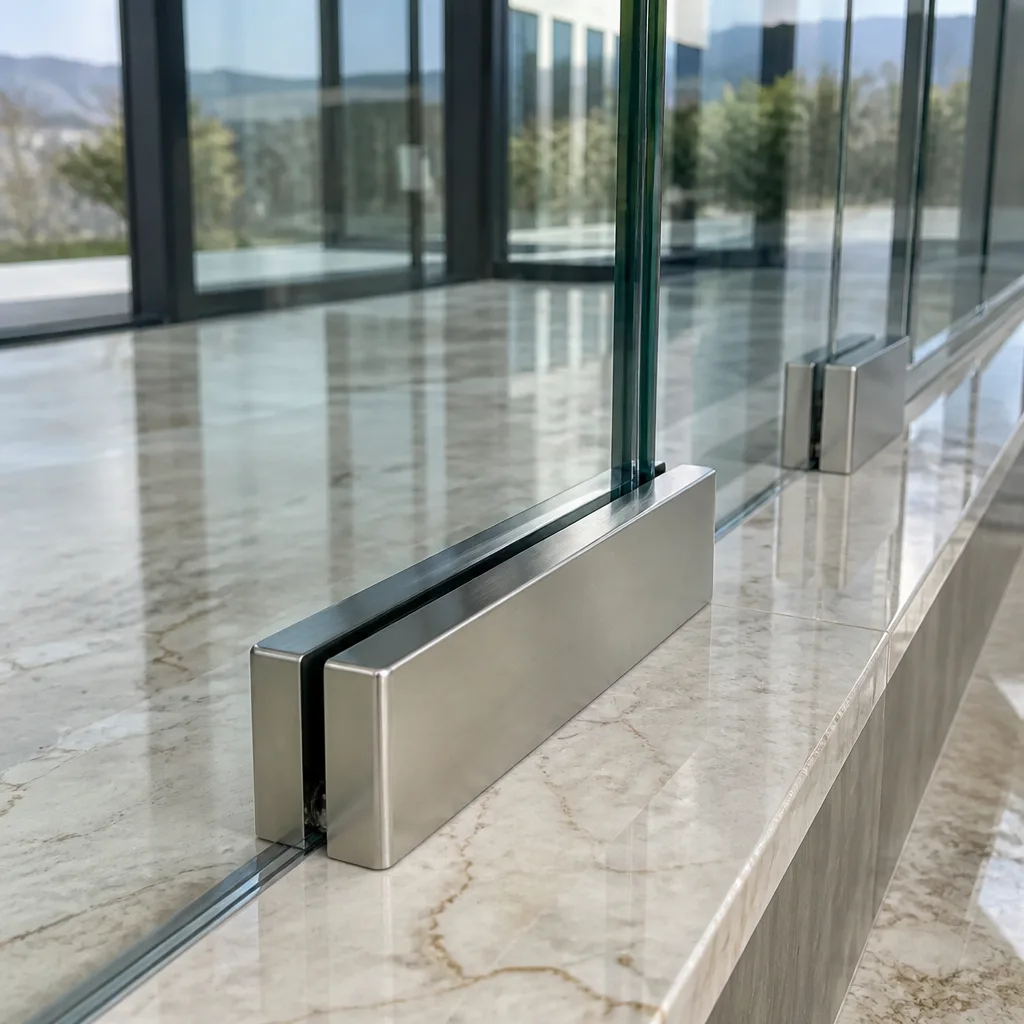
Last updated November 18, 2026
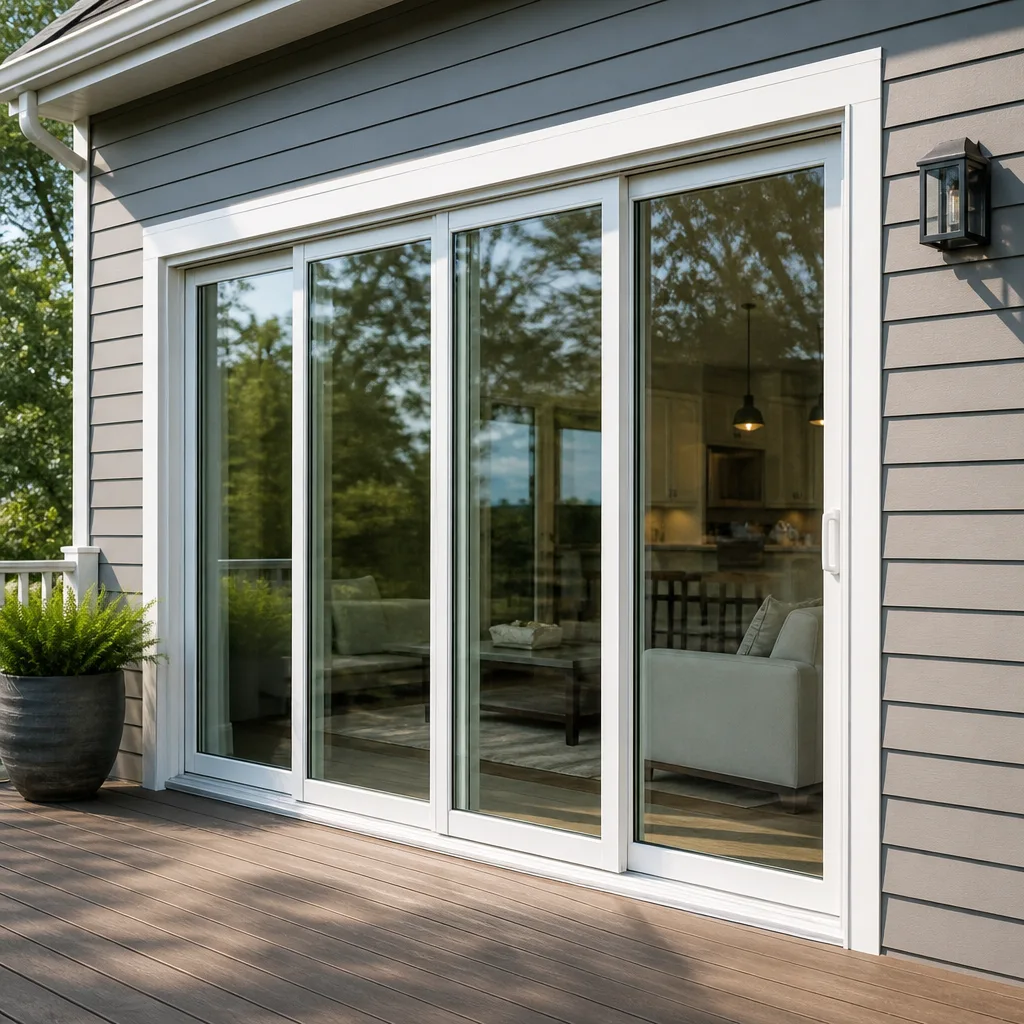 Sliding glass doors
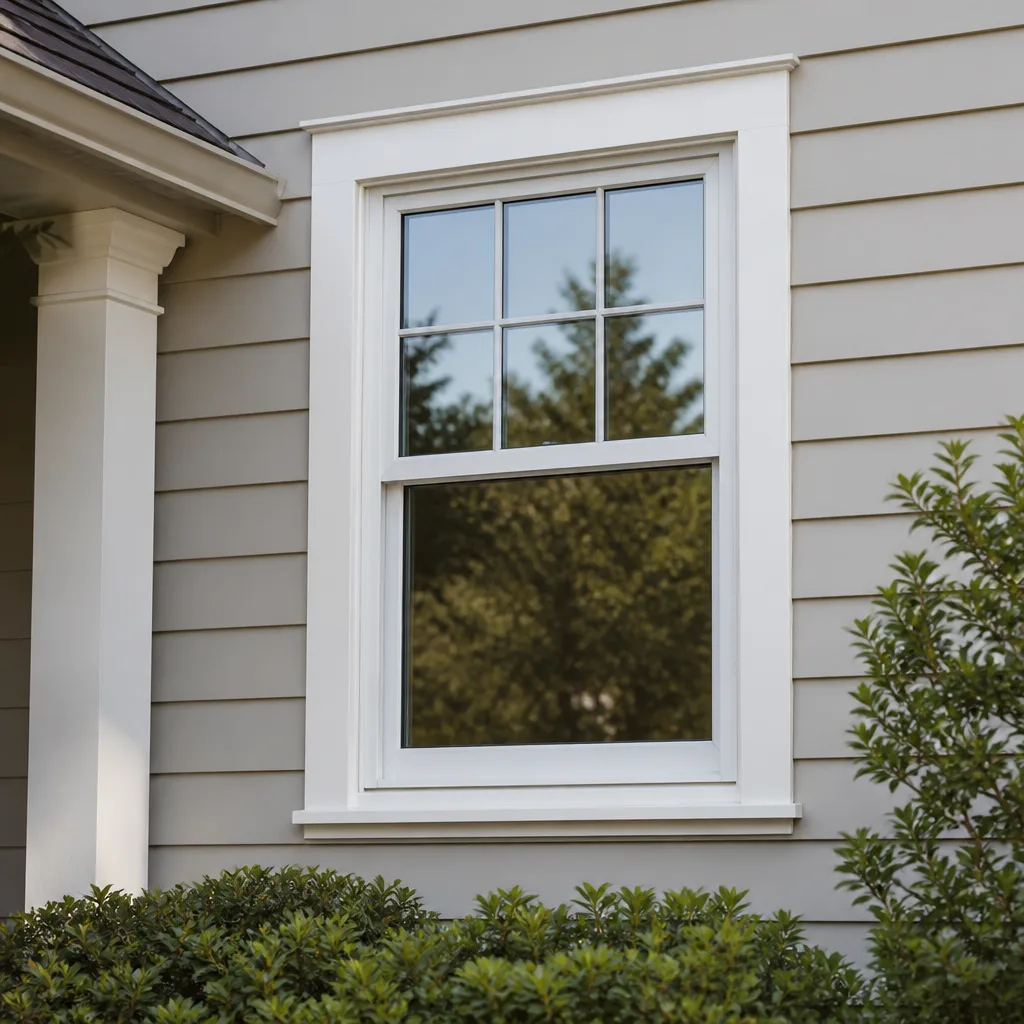 Single hung
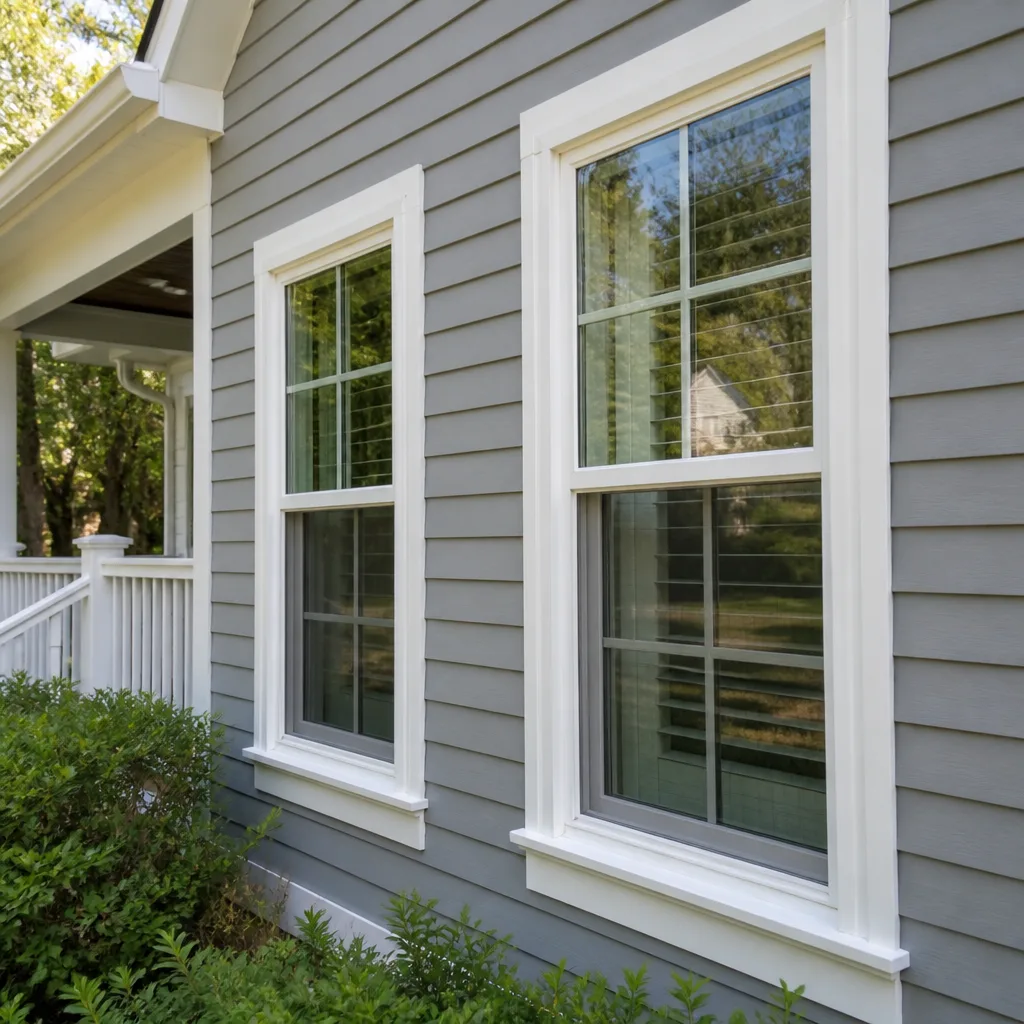 Double hung
 Horizontal roller
 Casement
 Bay & bow
 Entry doors
 Impact garage doors
 PGT
 CGI
Free in-home measure and quote - PGT, CGI and CWS impact lines compared on your actual openings, style by style
Get your free estimateDIY vs Professional Windows & Doors: The North Las Vegas Homeowner’s Decision Guide
Here’s the part of the conversation nobody has on the showroom floor: you can buy a window at a North Las Vegas supply house this afternoon, set it into the opening yourself, and the inspectors may well pass it. It can be plumb, square, flashed and weather-tight, and it will still walk out the door with a manufacturer warranty that will not pay for a fogged insulated glass unit three winters from now. That is the real fork in the road for a North Las Vegas homeowner, and it has less to do with whether you own a level than with whose name is on the installer certification. This guide walks through the warranty paperwork, the Clark County permit rules, the one task that genuinely changes your risk profile, and the cost math that tells you when hiring out beats doing it yourself.
Quick Answer
For most North Las Vegas homeowners, professional installation is the safer decision on any window or door that carries an insulated glass seal warranty, because a self-installed unit is usually excluded from that coverage regardless of how well you install it. DIY can make sense on a small repair, a screen or hardware swap, or a non-structural single unit where you’re willing to give up the glass warranty. The moment the job touches the rough opening or a permit that requires a licensed contractor, the savings evaporate.
Styles & brands we work with
- Single hung
- Double hung
- Horizontal roller
- Casement
- Bay & bow
- Sliding glass doors
- Entry doors
- Impact garage doors
- PGT
- CGI
Table of Contents
- The Warranty Question Nobody Asks at the Supply Counter
- What North Las Vegas Permits Actually Require
- The Task That Changes Everything: Rough Opening Modification
- Cost Scenarios: When DIY Saves Money and When It Doesn’t
- The Partial DIY Model: Your Demolition, Their Installation
- Why North Las Vegas Heat Is Hard on Glass and Doors
- Signs a Window or Door Job Is Bigger Than a DIY Project
- Common Mistakes to Avoid
- When to Call a Professional
- Frequently Asked Questions
The Warranty Question Nobody Asks at the Supply Counter
Manufacturer warranties on windows and doors come in layers. The two that matter most are the unit warranty, which covers frames and hardware, and the insulated glass unit seal warranty, which covers the failure of the factory seal that keeps argon in and moisture out. That second layer is the one that fails most often, and it is also the layer most tightly tied to who installed the product.
Most of the major manufacturers we work with, including PGT, Milgard, and ES Windows, require the unit to be installed by a credentialed or licensed contractor for the seal warranty to be enforceable. Some go a step further and require the installer to be on the manufacturer’s authorized list. When a unit is self-installed, the warranty may be voided entirely, or it may be reduced to a limited parts warranty that excludes glass. Either way, the homeowner is holding a box that says “lifetime seal warranty” and a fine print statement that the warranty only applies to professional installs.
Here’s the plain-language version, in numbered form:
- The unit ships with a warranty card and a register-your-warranty clause.
- Registration often requires the installer’s credentials, not just the homeowner’s name.
- If the installer is not credentialed, the manufacturer can deny the glass seal claim.
- Even a flawless install gets no warranty coverage on seal failure without registration.
- The failure most likely to happen in North Las Vegas heat is exactly that seal failure.
This is the center of the argument. A window is not just a piece of hardware; it is a product with a contractual guarantee attached. The guarantee is only worth what the paperwork says it is worth. That is why window replacement in North Las Vegas is not really a carpentry decision. It is a documentation decision, and the documentation starts with who holds the installer certification.
We have walked through this with homeowners in North Las Vegas who installed a high-end slider themselves in 2019 and found, four summers later, that the seal had failed and the warranty was a dead letter. The glass itself was not the problem. The registration was. That scenario is the single most common reason we get called to replace a window that is only a few years old.
What North Las Vegas Permits Actually Require
North Las Vegas sits inside Clark County, and the city operates its own building department, which issues permits for most residential window and door replacements where the work changes the size of the opening, the number of units, or the structural framing. A like-for-like single-unit replacement in the same opening often does not require a permit, but the moment the scope changes – a new opening, a widened slider, a new door where there was a wall – the permit is required.
The permit process itself separates what a homeowner can legally do from what requires a licensed contractor. Here is the practical breakdown:
Tasks a Homeowner Can Generally Perform
- Removing an existing window or door (interior demolition)
- Hauling the old unit to the transfer station
- Painting, trim finishing, and caulking the interior
- Installing window coverings and hardware after the unit is set
- Yard cleanup and debris removal
Tasks the Permit Process Requires a Licensed Contractor To Perform
- Pulling the building permit in the first place
- Any work that changes rough opening dimensions
- Structural framing, header replacement, or lintel work
- New openings or conversions (window to door, wall to window)
- Electrical work for powered shades or smart locks
- Final inspection sign-off on permitted work
The inspection piece is where the DIY plan most often breaks. A permit pulled by a homeowner is a permit that mandates scheduled inspections at framing and final. If the inspector flags a flashing detail, the homeowner is on the hook to fix and re-inspect on their own time, which can mean weeks of delay. A licensed contractor absorbs that scheduling risk because inspections are part of their daily work.
What we have seen in North Las Vegas is that the permit requirement itself is rarely the surprise. The surprise is the second inspection, the re-inspection fee, and the discovery that the framing they planned to reuse is not square. Those issues are why we measure every opening twice before we quote, and why we recommend anyone considering DIY call the building department first to confirm what the specific address will and will not require.
The Task That Changes Everything: Rough Opening Modification
There is a clean line in this trade. On one side of it sits a straight replacement: the old unit comes out, the new unit goes in, and the opening is untouched. On the other side sits rough opening modification, and that is where the risk profile of a job changes completely. It is also the single task most likely to turn a weekend project into a three-week disruption.
Rough opening modification includes any of the following:
- Enlarging or shrinking the opening by cutting framing
- Adding or replacing a structural header
- Re-framing because the existing opening is out of square by more than a quarter inch
- Changing from a single-hung to a slider, which changes the width
- Converting a window to a door, which requires a new sill and header
- Replacing rotted sill plates or sill pans beneath a door
The tools alone tell the story. A simple replacement needs a level, a tape, a drill, a caulk gun, a pry bar, and shims. Rough opening modification adds a reciprocating saw, a framing nailer or a hammer drill, a carpenter’s square that is actually square, and a working knowledge of load paths. None of those tools is exotic. The issue is not whether a competent homeowner can learn them. The issue is whether the homeowner knows how to identify a load-bearing wall before cutting it, and whether the resulting framing will pass inspection.
In North Las Vegas, we routinely see rough openings that have shifted because the slab-on-grade construction and the desert soil have moved slightly over thirty or forty years. A door that used to close cleanly now binds in July, not because the door failed but because the opening has gone out of square by the width of a dime. Cutting that opening straight is the difference between a door that swings freely for twenty years and one that needs a fresh shim job every summer.
The honest recommendation here is the one most contractors will give you over the phone if you ask directly: if the rough opening needs any modification, stop and call a professional. The pro has insurance for the case where the header is undersized and the wall drops when it comes out. The homeowner does not. That single fact makes the decision for most jobs bigger than a straight replacement. If you want to see what a straight replacement looks like when it goes right, the window installation in North Las Vegas service page details the process start to finish.
Cost Scenarios: When DIY Saves Money and When It Doesn’t
The cost math for DIY versus professional is not a single equation, because it turns on which warranty layer you’re giving up and what the permit and inspection costs look like for the specific job. Here is a realistic breakdown for the North Las Vegas market. These are typical ranges, not a quote; every house and every product line differs.
| Scenario | Typical DIY Cost | Typical Pro Cost | Net Verdict |
|---|---|---|---|
| Single vinyl single-hung replacement, no permit, no rough opening change | $280-$520 (unit, materials, disposal) | $750-$1,150 (unit, labor, warranty registration) | DIY saves $230-$630, forfeits seal warranty |
| Four-unit replacement, existing openings, no permit | $1,100-$2,000 | $3,000-$4,800 | DIY saves $1,000+ if no seal failure within warranty period |
| Slider replacement with a widened opening (permit required) | Not a valid DIY scenario in NLV | $2,800-$5,500 (permit, framing, install, inspection) | Professional required by permit rules |
| Patio door replacement, existing opening | $900-$1,600 | $2,400-$4,200 | DIY possible but door seal warranty usually voided |
| Single failed insulated glass unit replacement | N/A (requires glazier) | $220-$450 | Always professional |
| Window-to-door conversion | Not a valid DIY scenario in NLV | $4,500-$9,000+ | Professional required by permit rules |
The pattern is simple. DIY wins financially on the smallest, simplest, non-permitted jobs, and it wins only if the insulated glass seal never fails. For a North Las Vegas window facing west or south, where summer surface temps routinely push past 160 degrees on the glass, seal failure within five to eight years is common enough that the warranty has actual value. Once you start counting on the warranty, the math flips.
We have a standing $50 Off Any Repair Over $250 and an $89 Seasonal Tune-Up if you want a professional look at a specific unit without committing to full replacement. That is often the smartest first spend: pay a professional to inspect and confirm whether the job is genuinely small enough for DIY or whether it’s a rough opening problem wearing a small disguise.
For a door specifically, the cost shift is bigger because the slab and frame are heavier and the mistake is more visible. See the door installation in North Las Vegas page for what’s included in a full professional install versus a homeowner-installed slab hanging.
The Partial DIY Model: Your Demolition, Their Installation
This is the question we hear most often from homeowners who want to save what they can without forfeiting the warranty: “Will you install a window I bought myself?” The short answer is generally no, and the reason is the warranty, not the pride. An authorized installer is usually only authorized to register the manufacturer’s warranty on product they supplied through their own channel. When a homeowner brings their own unit, the installer can install it but cannot always register the warranty the same way.
That said, the partial model where the homeowner does demolition and disposal and the contractor handles installation and warranty registration is common in North Las Vegas, and most contractors will agree to it when asked directly. What that usually looks like:
- Homeowner removes old units on a scheduled day before the installer arrives.
- Homeowner hauls the debris to the transfer station.
- Contractor arrives to set, shim, flash, and seal the new units.
- Contractor registers both warranty layers before leaving.
- Homeowner handles interior paint and trim finish.
In our case, we quote manufacturer lines side by side on paper and register both warranty layers before the truck leaves the driveway, so the buyer knows exactly what’s covered. Homeowners who want to handle demolition and interior finish themselves can usually save a few hundred dollars per job that way. What we don’t recommend is buying units direct and then asking us to install them, because that puts both layers of warranty at risk and neither of us wants a handshake instead of paperwork.
The other partial-DIY version that does work is the owner-supplied opening prep: if you’re comfortable with trim removal, drywall clean-up, and disposal, you can do that work yourself before install day and we’ll do the rest. We quote those jobs with the preparation line itemized out. If you want the interior finishing side of that plan detail, the TruePane Windows & Doors home page lays out how our Keystone Standard covers the warranty paperwork on every job.
Why North Las Vegas Heat Is Hard on Glass and Doors
North Las Vegas is not a mild climate for windows. The combination of extreme summer heat, very low humidity, and the daily expansion and contraction cycle that comes with 110-degree afternoons and 65-degree nights puts every seal, gasket, and frame material through more movement in a year than most climate zones see in three. West- and south-facing glass takes the worst of it. The interior pane heats up while the exterior pane is being cooled by the conditioned air inside, and the stress accumulates at the perimeter seal.
Two practical consequences for a North Las Vegas homeowner considering DIY:
- Cheaper units fail faster here. A low-priced mass-market unit with a thinner spacer ring is more likely to fog in the desert. That’s a warranty claim waiting to be denied.
- Doors move more here. A wood door that swings clean in January will bind in July when the stucco and frame expand. Setting a door to a fixed gap in one season is a shortcut that comes apart in the next.
We install a lot of impact-rated and energy-efficient glass in North Las Vegas because the same UV load that kills seals also heats the house. The window replacement service is set up to quote multiple manufacturer lines side by side so the homeowner can see how the glass package changes the lifetime cost. An ES Windows unit and a budget builder-grade unit are both windows; they are not the same product across a twenty-year horizon in this climate.
We also see a specific weather pattern most people don’t plan for: summer monsoon microbursts. A properly flashed and sealed install survives them. A DIY install with a marginal sill pan does not, and the leak that follows is usually on a wall the homeowner cannot see until the drywall has to come out. If you’re thinking of doing the work yourself, the climate alone makes the case for professional flashing detail. The pane has to be true, and so does the weather barrier behind it.
Signs a Window or Door Job Is Bigger Than a DIY Project
Most DIY window projects go wrong at the point where the homeowner thought they were doing one thing and discovered they were doing another. These are the honest signals that the job has crossed from straight replacement into professional territory:
- The existing opening is out of square by more than a quarter inch on any side.
- The old unit was installed with nailed-in flanges that need to be cut and re-flashed.
- You find rot in the sill, header, or jack studs after removing the old unit.
- The new unit is not the same dimensions as the old one, even by half an inch.
- The job requires a permit for any reason.
- The unit weighs more than two people can safely carry up a ladder.
- You are replacing a window with a door, or a door with a slider.
- The glass is impact-rated and the manufacturer requires a certified installer.
- The home is older than thirty years and you don’t know what’s behind the stucco.
If any of those is true, the project belongs on the professional side of the line. Not because a skilled homeowner couldn’t figure it out, but because the homeowner would be absorbing risks and cost overruns that a licensed contractor carries as part of the job. That is the actual value of hiring out on the rough jobs: not skill, but risk transfer.
We’ve measured a lot of North Las Vegas openings where the homeowner had already framed out the old unit, and the news was that the header was undersized for the new slider. That’s a $600 materials problem and a permit problem, and it arrives about halfway through what the homeowner expected to be a one-afternoon swap. Better to learn it on a free estimate than on a Sunday afternoon with the wall open.
Common Mistakes to Avoid
- Buying units without checking the installer certification fine print. Two sentences in the warranty card decide whether a seal failure is covered. Read them before you buy, not after a claim is denied. Most supply houses will not explain this to you.
- Assuming a permit-free replacement is warranty-free too. The permit and the warranty are unrelated requirements. A job can be permit-free and still require a certified installer to keep the warranty enforceable.
- Setting a door in January and calling it done. A door that swings clean in January in North Las Vegas will often bind in July when the frame expands. Doors need to be set with temperature movement in mind, not just a fixed gap.
- Reusing the existing sill pan and flashing. The old flashing was installed to the old unit’s dimensions. Reusing it on a new unit is the fastest way to a monsoon-season leak, and the leak usually shows up in drywall before it shows up on the door.
- Doing the rough opening work without checking whether the wall is load-bearing. North Las Vegas has plenty of older homes where the exterior wall is carrying more than the homeowner assumes. That is a permit and an engineer question, not a weekend question.
- Hiring a handyman for a job that requires a licensed contractor. A permit that names an unlicensed installer is a permit that fails inspection, and the homeowner is the one who pays for the re-do.
- Letting the warranty registration slide. Even a professionally installed unit isn’t covered until both warranty layers are registered. We register them in writing before we leave the driveway because that is how the promise stays real.
When to Call a Professional
Call a professional for any window or door job that involves the rough opening, a permit, a load-bearing wall, an impact-rated unit, or a manufacturer warranty you plan to rely on. Call for any failed insulated glass unit, because the factory seal is not a serviceable part and the glass itself needs a glazier. Call if you’re on the fence about whether the job is small enough for DIY, because a free estimate answers that question in about thirty minutes and saves weeks of guesswork.
TruePane Windows & Doors North Las Vegas offers free estimates in North Las Vegas – call (833) 734-5506. We’re an authorized installer for more than a dozen manufacturer lines, including Andersen, Pella, Marvin, Milgard, and CWS, and we quote those lines side by side on paper so the homeowner sees exactly what they’re buying. We register both warranty layers in writing before the truck leaves, and the job is backed by the 90-Day Done Right Promise. If the job is genuinely small enough for you to do yourself, we’ll tell you that on the phone. If it isn’t, we’ll explain what makes it bigger. Either way, you’ll have the answer.
Frequently Asked Questions
In most cases, no. Most manufacturers, including the major lines we install, require the unit to be installed by a licensed or certified installer for the insulated glass seal warranty to be enforceable, and self-installed units often see that layer voided or reduced to a parts-only warranty. Read the specific warranty card for the product you’re buying, because the requirements vary by manufacturer. Call (833) 734-5506 for a free estimate if you want to confirm how a specific line’s warranty would apply to your home.
A homeowner can sometimes pull a permit for work on their own primary residence, but the inspection requirements are the same and any work that changes the rough opening, the framing, or the number of units will require a licensed contractor for the trade work. In practice, most North Las Vegas window and door jobs that require a permit are pulled by the installing contractor. Call (833) 734-5506 and we’ll help you determine whether your specific job needs a permit.
Homeowners who remove old units and haul debris themselves typically save a few hundred dollars per job, and some contractors in North Las Vegas will agree to a partial arrangement where the homeowner handles demolition, disposal, and interior finish while the licensed installer handles the set, flashing, sealing, and warranty registration. We’ll itemize that line in a quote. Call (833) 734-5506 for a free estimate with the preparation work broken out.
No, and this is a case where the DIY cost is not the real cost. The insulated glass unit is a sealed factory assembly, and replacing just the glass requires a glazier to order and set the correct unit, handle the gas fill and spacer correctly, and re-seal the frame. A homeowner-installed glass replacement voids the same warranty that would have paid for the repair in the first place. Call (833) 734-5506 and we’ll quote the repair against the replacement cost.
Generally no, and it’s a warranty issue rather than a policy issue. An authorized installer is usually only authorized to register the manufacturer’s warranty on product supplied through their own channel, and installing a homeowner-supplied unit puts both warranty layers at risk. We quote multiple manufacturer lines side by side on paper so the homeowner can see the price difference between units, which is often smaller than expected. Call (833) 734-5506 to walk through the options for your address.
Yes, in a few specific cases: a screen replacement, a hardware swap, a lock change, an interior trim finish, or a straight non-permitted replacement of a single unit where the homeowner is genuinely willing to give up the seal warranty and the opening is confirmed square. If none of those is true, the math usually points to professional installation. Call (833) 734-5506 for a free estimate and an honest answer about whether your job is one of the small ones.
The Bottom Line
The DIY-versus-professional question in North Las Vegas is not really about skill. A careful homeowner can set a straight replacement. The real question is whether you’re willing to give up the manufacturer warranty, and whether the job touches the rough opening or a permit that requires a licensed contractor. If either answer is yes, the savings dissolve. If you’re doing a hardware swap, a screen, or a trim finish, DIY is fine. For anything bigger, the smart play is a free estimate from a company that registers both warranty layers in writing, stands behind the work with the 90-Day Done Right Promise, and answers the phone when something goes wrong. We’re a second-generation glazier’s shop, our technicians have up to 18 years of experience, and if the pane is not true, the job is not done.
Call TruePane Windows & Doors North Las Vegas at (833) 734-5506 to schedule your free estimate. We quote manufacturer lines side by side on paper, we register both warranty layers before the truck leaves the driveway, and we’ll give you the honest answer on whether your job is a small one you can handle or a bigger one that belongs with us.
Written by the team at TruePane Windows & Doors North Las Vegas.
See the difference
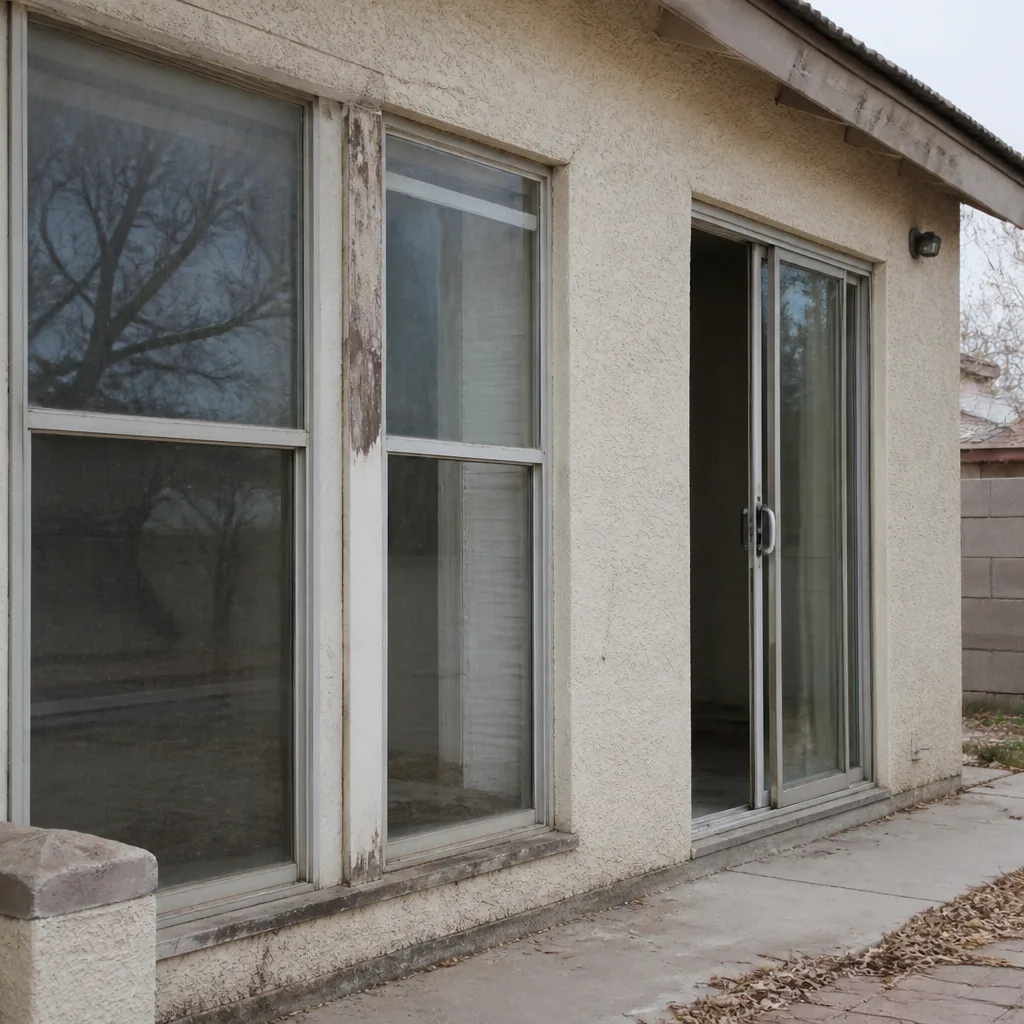 Before
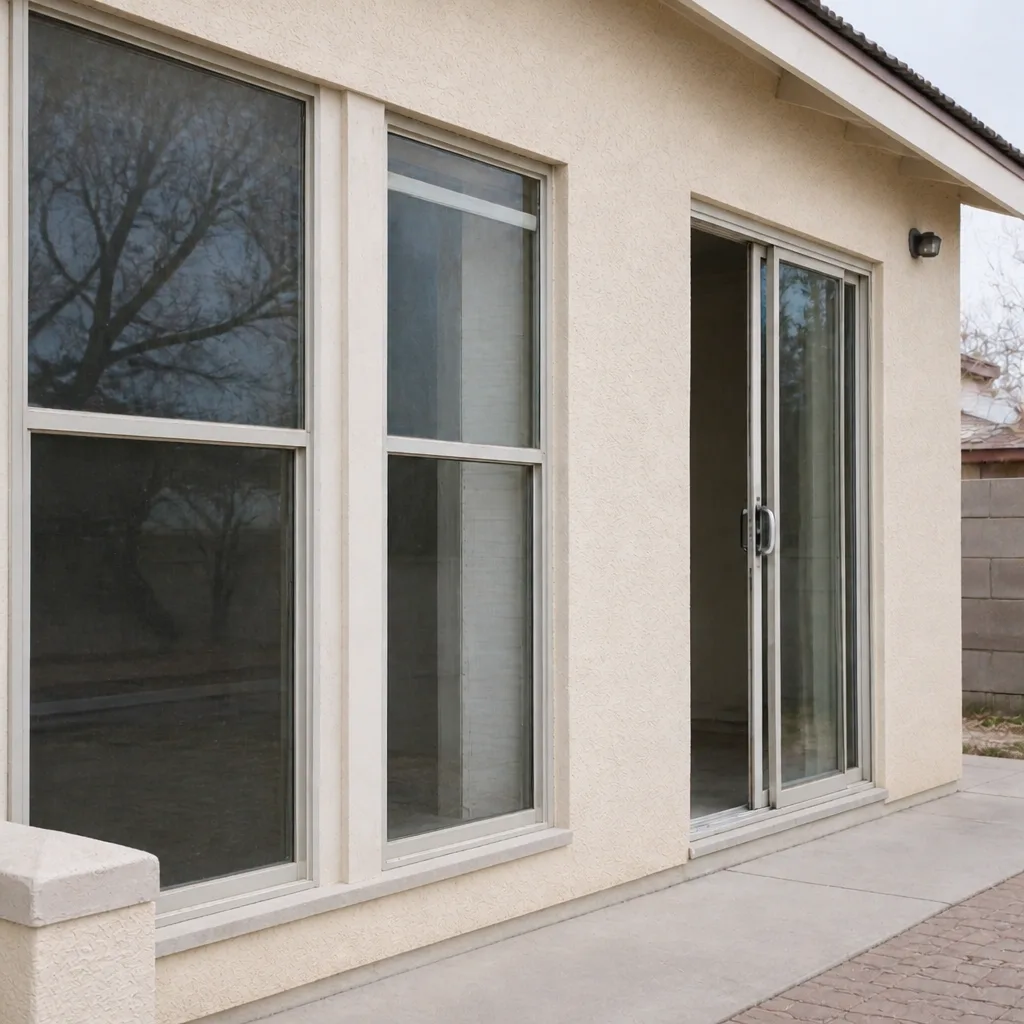 After
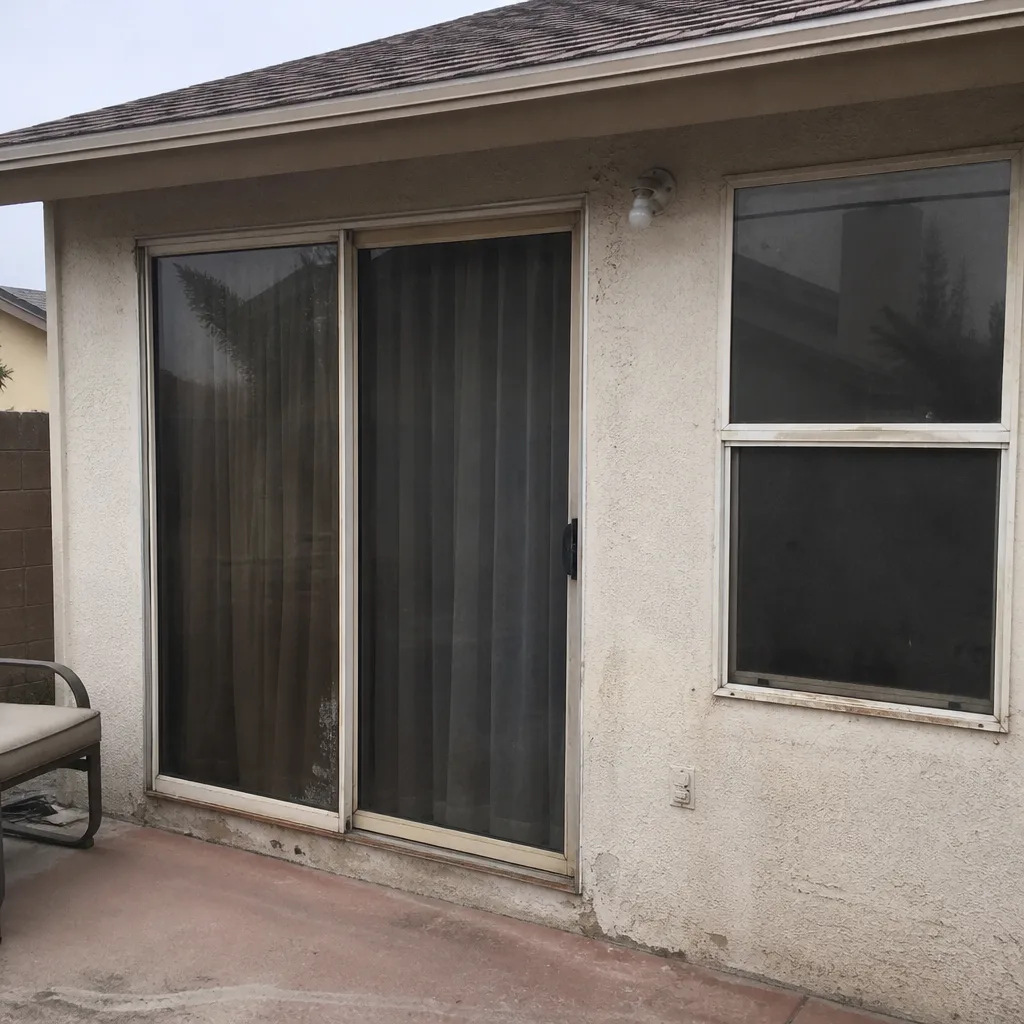 Before
 After
 Before
 After