

Last updated November 18, 2026
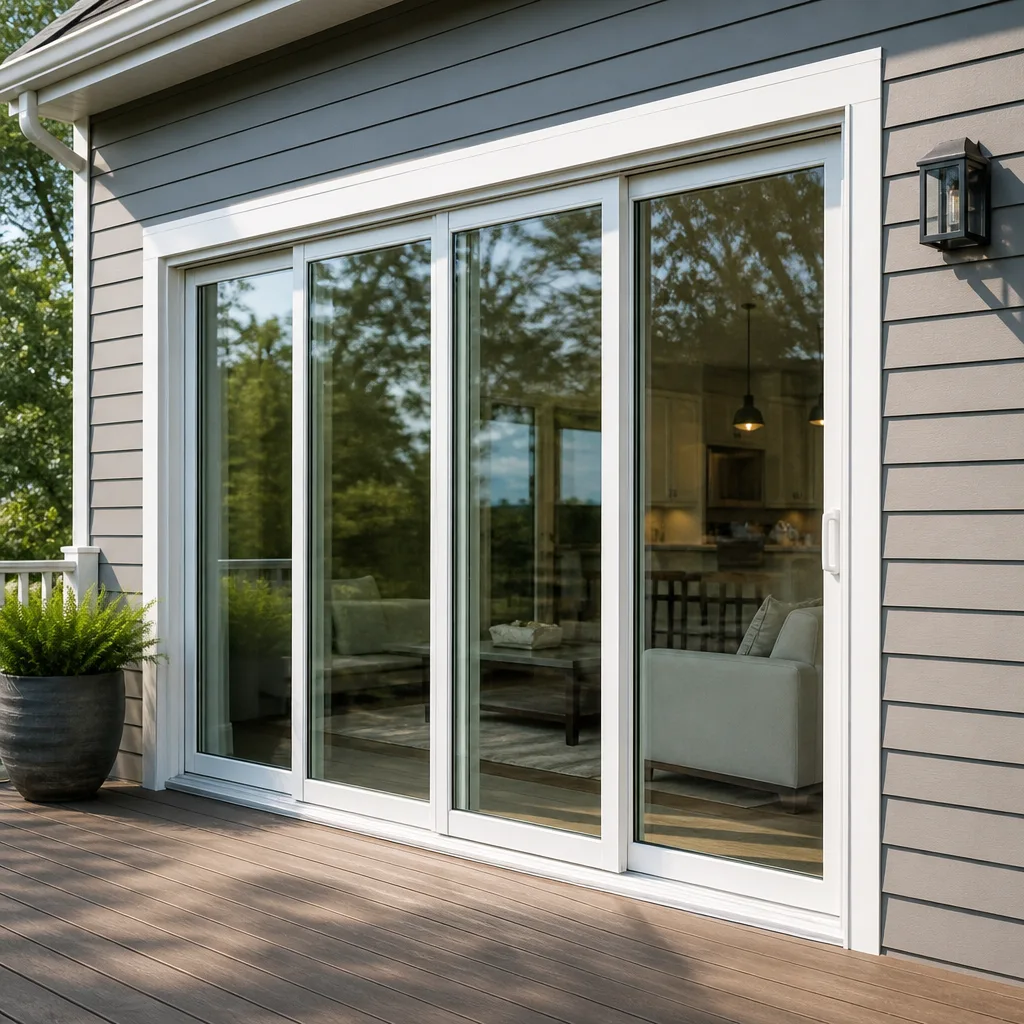 Sliding glass doors
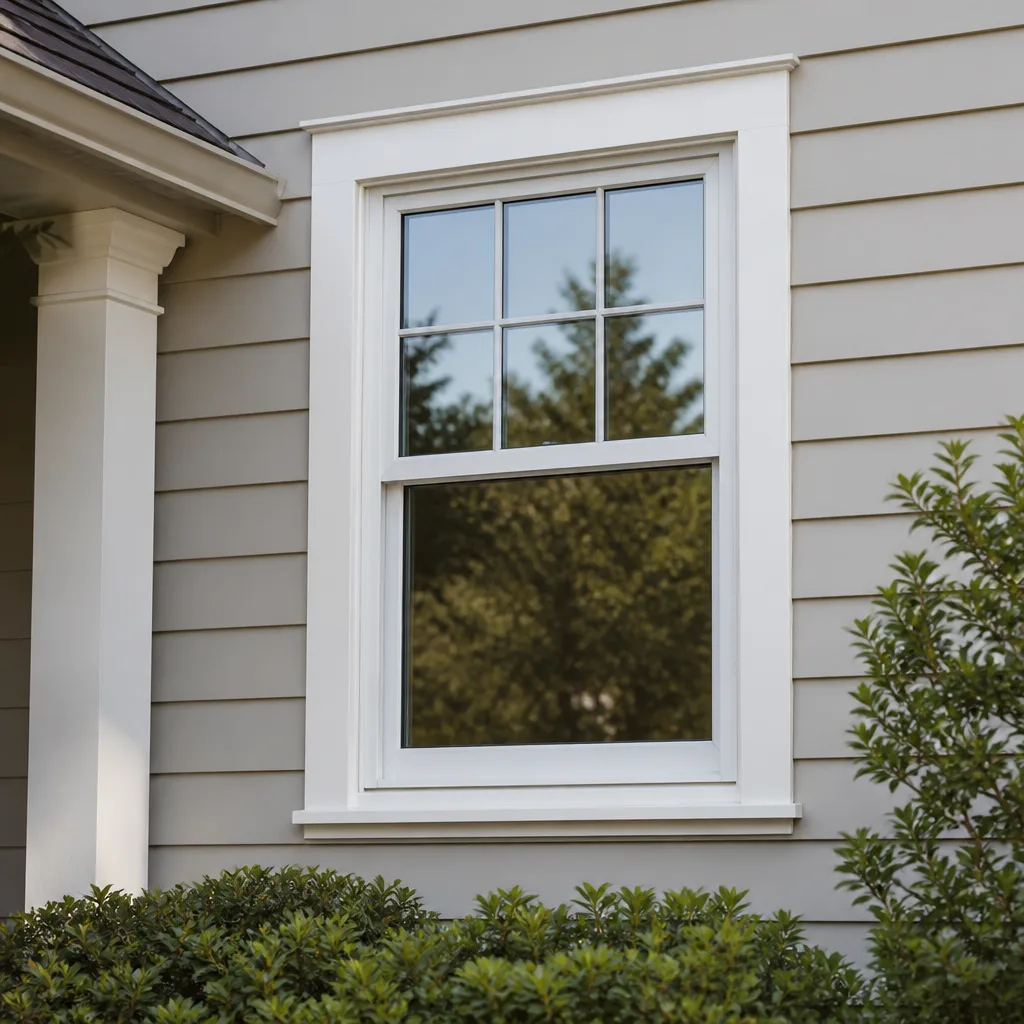 Single hung
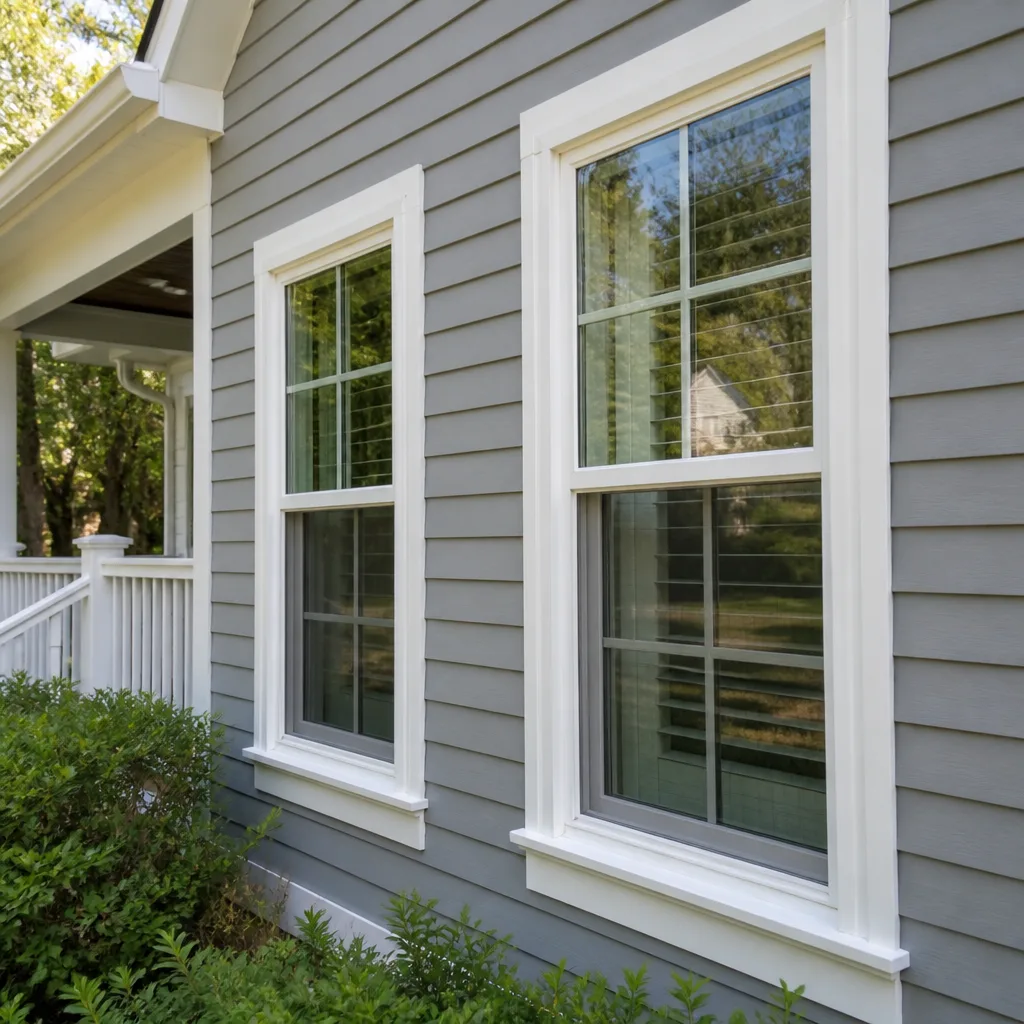 Double hung
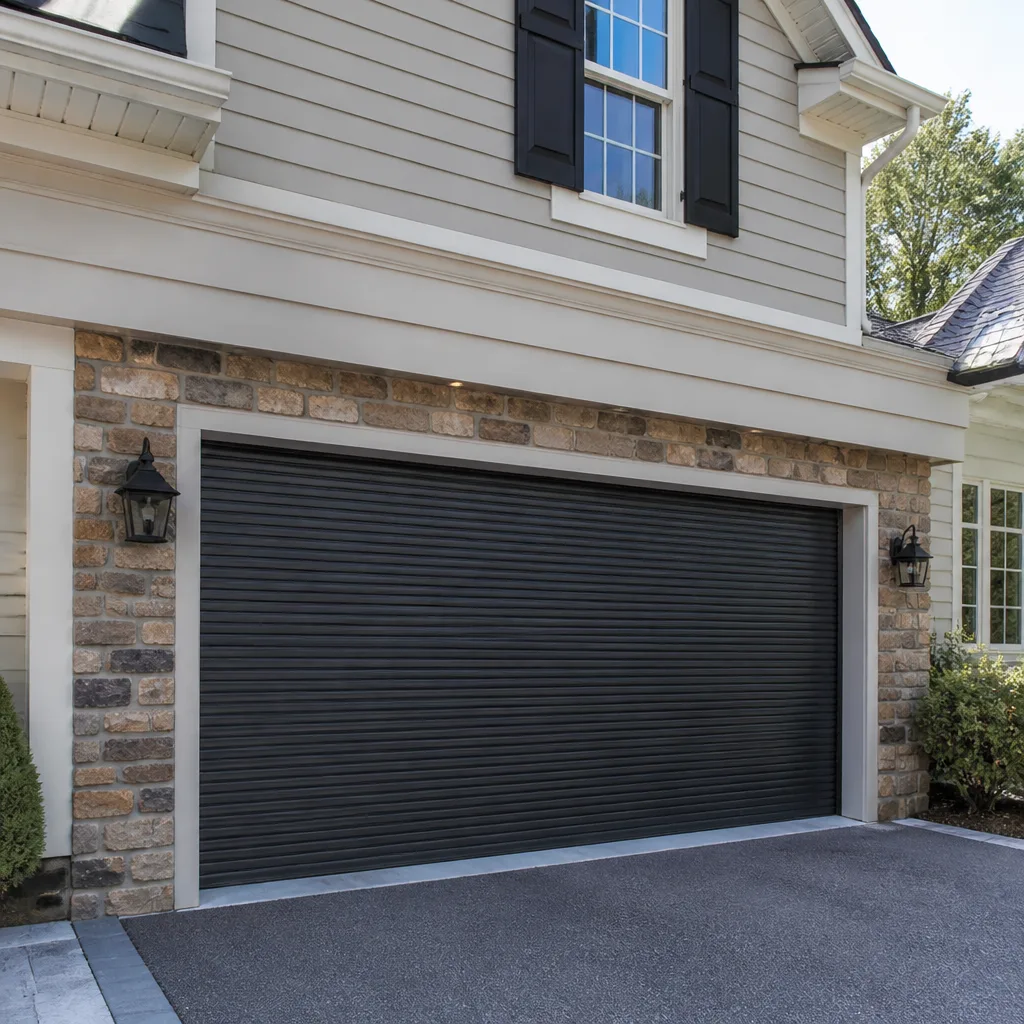 Horizontal roller
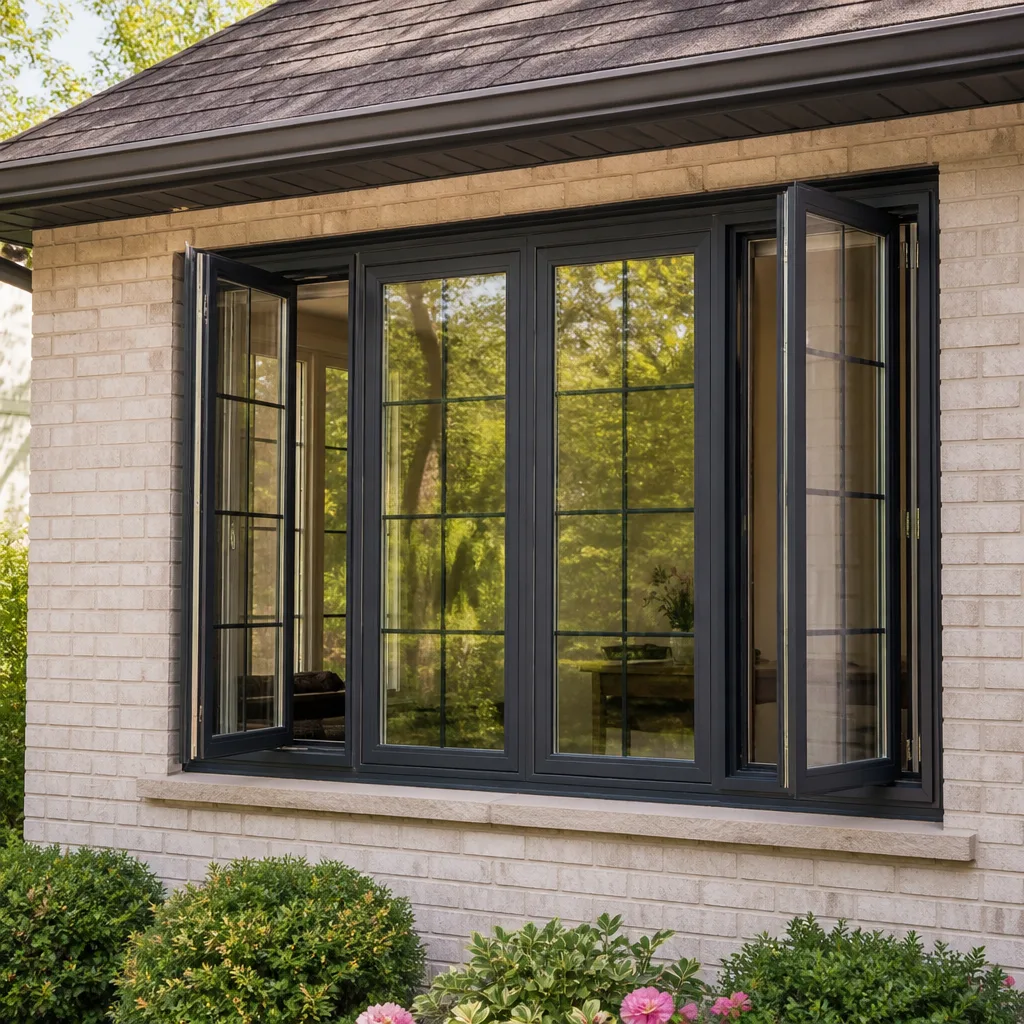 Casement
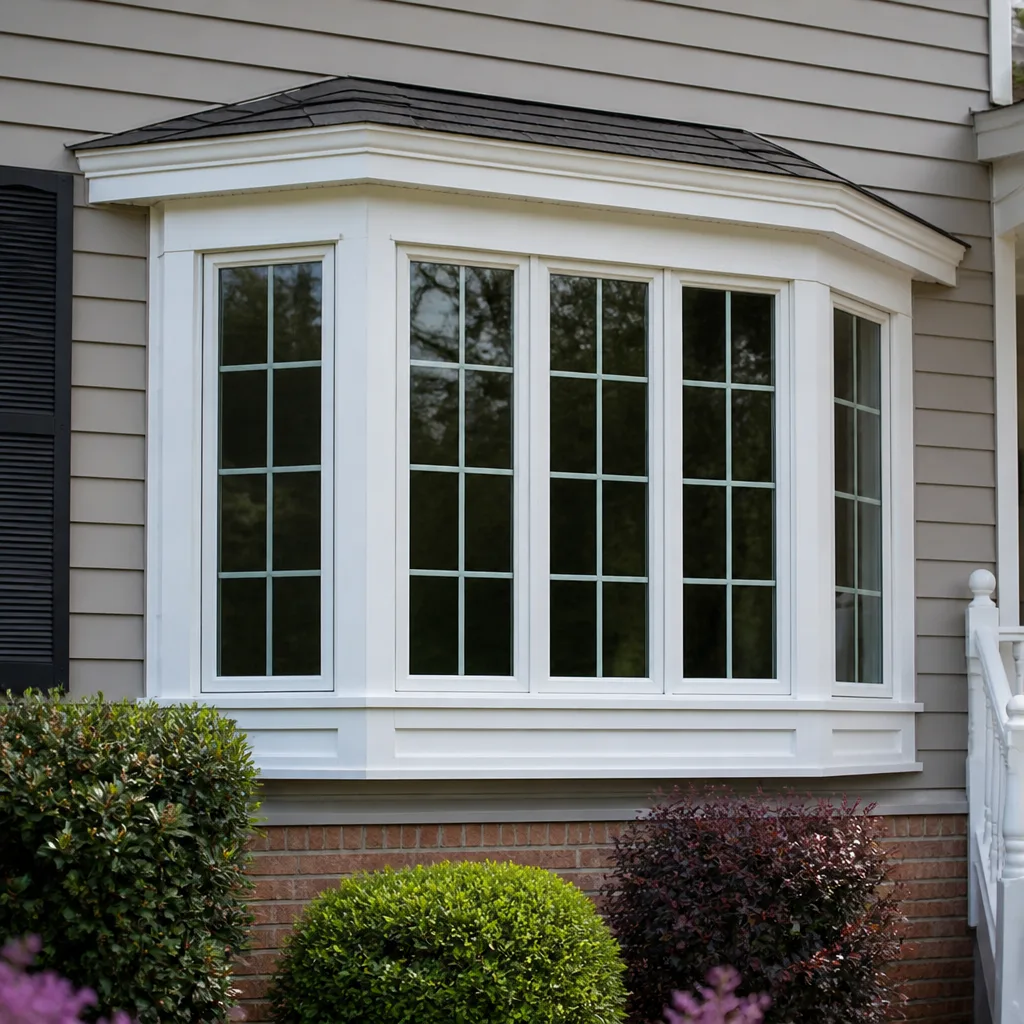 Bay & bow
 Entry doors
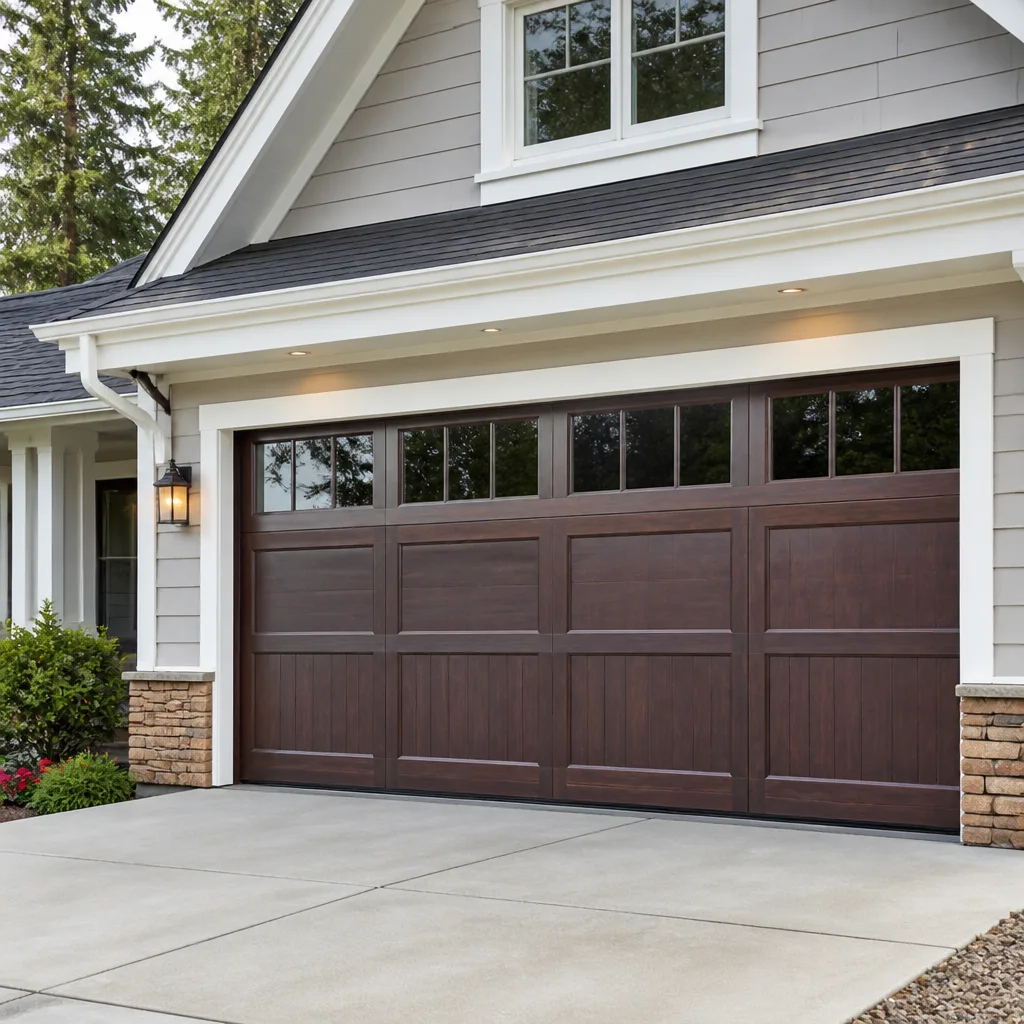 Impact garage doors
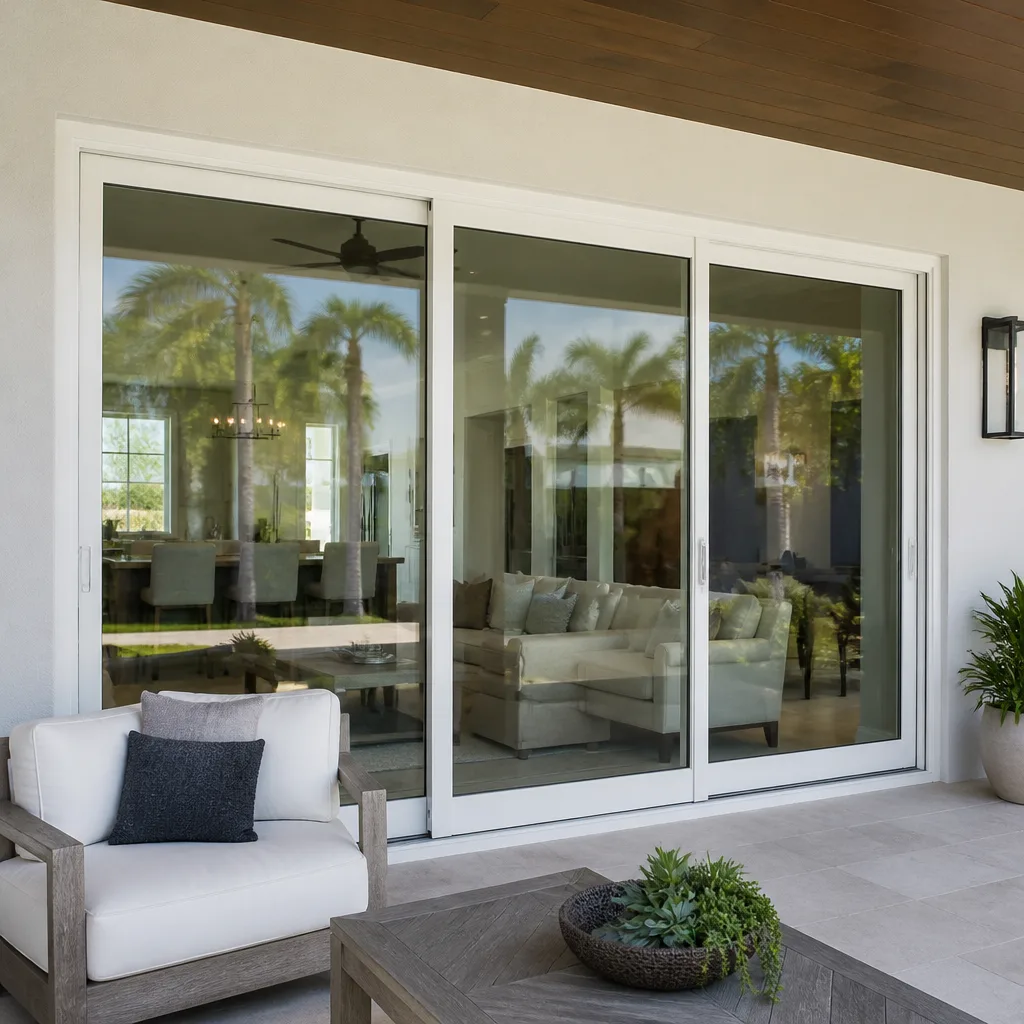 PGT
 CGI
Free in-home measure and quote - PGT, CGI and CWS impact lines compared on your actual openings, style by style
Get your free estimateSeasonal Windows & Doors Care for North Las Vegas: Year-Round Homeowner’s Guide
North Las Vegas keeps four seasons on the calendar and about two and a half in the air. What actually hits your windows and doors is a spring heating ramp, a summer monsoon window from roughly July through September, and two long holding periods on either side. During monsoon season, humidity in North Las Vegas can climb from 10 percent to 60 percent in a single afternoon. The same frames and seals that shrugged off six months of desiccating heat are suddenly soaked and stressed in ways they were never prepped for. That mismatch is why most seasonal guides hand North Las Vegas homeowners advice built for a climate they don’t live in. This guide walks through what to check, when to check it, how long each task takes, and where the line sits between a homeowner’s five-minute inspection and a service call.
Quick Answer
In North Las Vegas, the year divides into two hard transitions and two long holding periods: a pre-monsoon inspection in June (sealant, threshold seals, weep channels), and a post-summer hardware and alignment check in October before the cooling season. Winter and early spring call for UV and thermal-expansion observation rather than freeze protection. A realistic annual routine runs about four to five hours of homeowner checking spread across the year, plus one professional tune-up.
Styles & brands we work with
- Single hung
- Double hung
- Horizontal roller
- Casement
- Bay & bow
- Sliding glass doors
- Entry doors
- Impact garage doors
- PGT
- CGI
Table of Contents
- Why North Las Vegas Windows and Doors Age Differently
- Spring: The Heating Ramp and What It Reveals
- Pre-Monsoon Inspection: What to Check Before July
- What 115-Degree Surface Heat Does to Vinyl and Fiberglass
- Post-Summer: Hardware Tension and Frame Alignment
- Winter: UV Degradation Under the Low December Sun
- A Realistic Annual Task Schedule
- Common Mistakes to Avoid
- When to Call a Professional
- Frequently Asked Questions
Why North Las Vegas Windows and Doors Age Differently
Most seasonal window care advice is written for places with a real winter: freeze protection, ice damming, snow load, condensation from indoor heat meeting a cold pane. None of that applies here. In North Las Vegas, the enemy is repetition. Your windows and doors face roughly 300 days of sun, summer highs that regularly cross 110 degrees, and a monsoon window where humidity throws a quick punch and then leaves. The materials don’t fail from one dramatic event. They fail slowly, from thousands of expansion-and-contraction cycles and a handful of moisture intrusions a year that never quite dry out.
That changes the priorities. A homeowner in Ohio checks caulk every fall before the freeze. A homeowner in North Las Vegas should check caulk before the monsoon, because that’s when the moisture arrives. A homeowner in the Midwest worries about a warped door frame from snowmelt. Here, the worry is a sliding door that binds in August because the frame has expanded a sixteenth of an inch under sustained heat.
We’ve walked through enough North Las Vegas homes to see the patterns repeat neighborhood by neighborhood. In older blocks off Civic Center Drive, the original single-pane aluminum sliders show the most seal failure. In the newer builds around Aliante and the northern edges, the vinyl frames are younger but the sun-facing sides take a harder beating. The routine below works for both, but the details differ.
One grounding fact: an authorized installer can only register the manufacturer warranty layers that protect you later if the install was done to spec. If you’re going to spend the time in this guide, spend it on the windows that are actually under warranty to begin with. You can see the full scope of what we install and service on the TruePane Windows & Doors North Las Vegas home page.
Spring: The Heating Ramp and What It Reveals
Spring in North Las Vegas isn’t a gentle thaw. It’s a ramp. March is mild, April climbs, and by late May the afternoon sun is already pushing surface temperatures on south- and west-facing glass past the point where a bare hand wants to stay on the frame. That ramp is the best diagnostic window you’ll get all year, because it moves slowly enough to spot problems before the real heat arrives.
What the heating ramp reveals:
- Operating force changes. A window that opened easily in February and resists in May is telling you about frame expansion or a hardware tension problem. Note which windows, and re-check in October.
- Sealant hairline cracks. Exterior caulk and glazing compound dry and crack as the frame grows. Walk the exterior of your home in April and again in June; new cracks between visits are the early warning sign.
- Condensation where there shouldn’t be. A fogged interior pane or a wet streak between the glass layers in spring means the sealed unit has lost its gas and its seal. This is a replacement item, not a maintenance item.
- Interior finish movement. Drywall cracks at the corners of window openings, or a door that suddenly catches on the strike plate, both point to seasonal frame movement worth watching.
The spring walk-through itself takes about 45 minutes for a typical single-story North Las Vegas home. Open every operable window and door and close it. Listen for scraping. Run a hand along the exterior sealant line where you can safely reach it from the ground. Note anything that changed since last fall. This is observation, not repair.
Pre-Monsoon Inspection: What to Check Before July
The single most valuable hour you’ll spend on your windows and doors in North Las Vegas happens in June, before the monsoon moisture arrives. Once that humidity spikes and the rain starts, you’re in reaction mode. The goal of the pre-monsoon check is to find the paths water will take before the water finds them for you.
Here’s the pre-monsoon checklist, in the order that matters:
- Exterior sealant line, ground level. Inspect caulk and sealant where the frame meets the wall on every accessible opening. Look for gaps, cracks, or pulling away. Pay special attention to the west-facing and south-facing openings, which take the most thermal abuse. About 20 minutes.
- Threshold seals on exterior doors. Check the sweep at the bottom of every exterior door and the threshold seal. A worn sweep lets monsoon rain wick in under the door. Push a piece of paper under the door; if it slides out with no drag, the sweep is compressed. About 15 minutes.
- Weep holes and channels. Sliding windows and patio doors have weep holes that drain water back outside. Make sure they aren’t clogged with dust, sand, or paint. Clear them with a soft brush. This is where a lot of North Las Vegas monsoon leaks actually start. About 15 minutes.
- Window and door screens. Loose or torn screens let wind-driven rain and dust reach the primary seal. Tighten and patch now. About 15 minutes.
- Sliding door tracks. Clean grit out of patio door tracks so the door seats fully. A door that doesn’t fully close is an open invitation. About 10 minutes.
- Interior evidence of past leaks. Look at the drywall and framing around each opening for water staining, bubbling, or soft spots from last year’s monsoon. Note anything you find for a service call.
The pre-monsoon check takes about 75 to 90 minutes total. Do it in June, not July, so there’s time to fix what you find. If the sealant has failed in a spot beyond your reach, that’s a service call, and June is the right month to make it. The window replacement service in North Las Vegas team can tell you whether a failed sealant line is a maintenance fix or an early sign the unit is at end of life.
What 115-Degree Surface Heat Does to Vinyl and Fiberglass
Here’s where North Las Vegas separates itself from the advice you’ll read online. That 115-degree number you see in the forecast is air temperature. Surface temperature on a south-facing vinyl frame in direct July sun can run considerably higher. The frame’s own material properties start to matter. Vinyl and fiberglass respond to sustained heat very differently, and the difference shows up in what a homeowner can see versus what needs a trained eye.
Vinyl frames: the geometry question
Vinyl (PVC) has a lower heat-distortion temperature than fiberglass or aluminum. Under sustained heat, a vinyl frame can soften, relax, and settle into a slightly different shape than it was manufactured in. What a homeowner can observe: a window or door that used to latch easily now needs a push, a sash that rubs on one side of its track, or a visible bow when you sight down the frame edge. What requires a service call: actual distortion of the frame’s cross-section, sash sag, or a sealed unit that no longer sits square in its opening. That’s a geometry problem a homeowner can’t fix with a screwdriver.
Fiberglass frames: stiffness under heat, but not immunity
Fiberglass holds its shape better under sustained high heat, which is one reason it sells well in this climate. But fiberglass isn’t immune. The frame itself stays truer, which pushes the stress onto the hardware, hinges, locks, and the seal between sash and frame. What a homeowner can observe: hardware that gets stiff in the heat, gaskets that compress and stop sealing, a door that closes but doesn’t latch without a lift. What requires a service call: gasket replacement, hinge or lock adjustment beyond a turn of a screwdriver, or a sash that no longer sits flush.
The observation-versus-service-call line
- Observe: operating force changes, slight track rubbing, hardware stiffness in the afternoon that eases in the evening. Note it and watch it through the summer.
- Service call: visible frame distortion, sash sag, water intrusion, glass seal failure (fogging), or a door that binds hard enough to crack the frame.
Noted manufacturer lines like PGT and CGI build units specifically for hot climates, which is part of why we quote them side by side for North Las Vegas homeowners. If you’re weighing material choices for the long run, the window installation in North Las Vegas page covers the climate trade-offs.
Post-Summer: Hardware Tension and Frame Alignment
Once the worst of the summer heat breaks, usually in October, your windows and doors have just come through three or four months of thermal expansion cycles and a monsoon window. This is the second critical transition of the North Las Vegas year, and the one most homeowners skip. The post-summer check is where you catch the wear that accumulated quietly.
Here’s what to do, in order:
- Test every hinge and lock. Hinges, lock mechanisms, and multi-point door hardware all take a beating over a summer. Open, close, and lock every operable unit. Note anything that catches, sticks, or doesn’t fully engage. About 25 minutes.
- Check frame alignment. Sight down the edge of every window sash and door frame. A gap that’s wider at one end than the other means the frame has shifted. Look at the reveal around each sash. Even all the way around means aligned; a thin gap on one side and wide on the other means it needs attention. About 20 minutes.
- Tighten hardware where it’s safe. A loose latch screw is a homeowner fix. A hinge that’s pulling out of the frame, or a lock that no longer lines up with its strike, is a service call. About 15 minutes.
- Re-check the sealant line. The same exterior sealant you checked in June has now been through a full summer. Walk it again. October is the time to re-seal before the cooling season, so the sealant cures in moderate temperatures. About 20 minutes.
- Check weatherstripping. The strip inside door frames compresses over a summer. If light shows through a closed door or a paper slips out easily, the weatherstripping needs replacing. About 15 minutes.
Total: about 95 minutes for a typical home. This is the check that prevents the “why is my patio door binding every August” call next year. If the alignment question turns out to be more than a homeowner can safely sort out, this is where you’d want a professional to look at it, especially on a heavy sliding or patio door. The door installation in North Las Vegas team handles both adjustment and replacement.
Winter: UV Degradation Under the Low December Sun
North Las Vegas doesn’t do freeze protection. What it does do, from roughly November through February, is low-angle sun. In December, the sun sits low in the southern sky and hits south-facing windows at a much flatter angle than it does in summer. Flatter angle means a longer path through the glass and a sustained, direct UV and solar load on the south-facing units that homeowner tips from colder climates never mention. This is the holding period where UV degradation does its quiet work on everything from gaskets to screens to interior fabrics.
What to observe in winter:
- Gasket and weatherstrip surface. Look for chalky, cracked, or hardened gaskets on south-facing units. UV dries out the rubber over years. A gasket that’s stiff instead of pliable is losing its seal even if no water has gotten in yet. About 15 minutes across the house.
- Screen mesh and frame color. Sun-facing screens fade and can become brittle. Note whether the mesh is discoloring or the frame color has faded. This is the earliest visible sign of UV load on that side of the house. About 10 minutes.
- Interior fabric and floor fade. A pale rectangle on a wood floor or a faded stripe on a south-facing curtain is UV load telling you the glass’s low-E coating may be doing less than it used to. About 5 minutes to note.
- Sealant around the opening. Winter is also dry. Sealant that’s going to shrink has already shrunk. A visual once-over catches it. About 15 minutes.
Total winter check: about 45 minutes, and it’s the easiest of the four. But if you have older south- and west-facing units that have been in place twenty years, this is the season when you’ll notice whether the low-E coating is still doing its job. That’s worth a professional look. The window replacement in North Las Vegas team can assess whether it’s worth replacing glass or the whole unit.
A Realistic Annual Task Schedule
Most homeowners defer seasonal care because nobody tells them how long it actually takes. Here’s a realistic schedule for a typical North Las Vegas single-family home, with times you can plan around.
- March – April: 45 minutes. Spring heating-ramp walk-through. Open every operable unit, note changes, walk the exterior sealant line.
- June: 75 – 90 minutes. Pre-monsoon inspection. Sealant, threshold seals, weep holes, screens, sliding tracks, interior leak evidence.
- July – September: 15 minutes a month. Monsoon watch. Quick interior check for water staining after any heavy rain.
- October: 95 minutes. Post-summer hardware tension, frame alignment, re-seal, weatherstripping.
- November – February: 45 minutes total. Winter UV observation on south-facing units and gasket condition.
- Once a year: 60 minutes professional tune-up. A trained technician checks what you can’t safely reach and what you can’t measure by eye.
Call it four to five hours of homeowner time spread across the year, plus one professional appointment. If you’ve got a larger home or a second story, add 20 to 30 minutes per check. A North Las Vegas homeowner who does nothing else should still do the June pre-monsoon and the October post-summer checks. Those two transitions are where the damage happens.
We offer an $89 Seasonal Tune-Up that covers the professional piece. It’s built to pair with the homeowner schedule above.
Common Mistakes to Avoid
- Following a guide written for a freeze climate. If your seasonal checklist is about ice damming and snow load, it doesn’t apply in North Las Vegas. The critical season here is the monsoon, not winter.
- Skipping the pre-monsoon check because “it’s been dry.” That’s exactly why the check matters. Sealed units that dry out during June are the ones that let in the July rain. A fifteen-minute weep-hole clearing in June prevents a water intrusion in August.
- Assuming a sticking window is a swollen frame. In most of the country, that’s humidity. Here it’s more often heat distortion or hardware tension. The fix is different, and so is the service call you make.
- Caulking over a failed seal to “get through the summer.” A fresh bead of caulk over a compromised gasket traps moisture inside the frame. It looks fixed for a month and then fails worse. Proper sealant prep matters.
- Treating a fogged pane as a cleaning problem. Fogging between the glass layers is a failed sealed unit, full stop. No amount of home cleaning fixes it. Replacement glass or unit is the answer, and the sooner the better before the failed seal shows a stain on the interior.
- Ignoring the low December sun on south-facing glass. It’s the season with the least obvious work to do and the most cumulative UV load. Gaskets and screens on south-facing units fail first, and the homeowner who catches them in January avoids the eventual window replacement call.
- Doing hardware adjustment on a heavy patio door alone. A sliding patio door that has shifted alignment weighs more than most homeowners should be maneuvering on their own, and a dropped door is a real injury risk. Get a hand or call a technician.
When to Call a Professional
Call a professional when the problem is outside hand-tool reach or outside homeowner safety: visible frame distortion, sash sag, water intrusion you can’t trace, a sealed unit that has fogged, a sliding door that binds hard, or a hinge or lock that no longer aligns. Also call if you can’t reach an opening to inspect it safely, or if the sealant line needs redoing above ground level. For most North Las Vegas homes, the once-a-year professional tune-up catches everything else. TruePane Windows & Doors North Las Vegas offers free estimates in North Las Vegas. Call (833) 734-5506. A live person answers the phone day or night. We quote manufacturer lines side by side on paper and register both warranty layers in writing before we leave, so you know exactly what you’re buying and who stands behind it.
Frequently Asked Questions
Twice a year at minimum: once in June before the monsoon season and once in October before the cooling season. A spring walk-through in March or April and a winter UV check in December or January catch the rest. Most homeowners can handle the four checks in about four to five hours total per year, plus one professional tune-up.
Summer sticking in North Las Vegas is usually heat distortion of the frame or hardware tension, not humidity. Vinyl and fiberglass frames expand under sustained 110-plus-degree heat, and the change is enough to make a sash or door bind. Check whether it eases in the evening; if it does, note it and re-check in October. If it binds hard enough to crack the frame, that’s a service call. Call (833) 734-5506 for an exact diagnosis. Estimates are free.
The threshold sweep, the weatherstripping inside the door frame, and the sealant around the exterior. A paper slid under a closed door with no drag means the sweep is compressed and monsoon rain will wick in. Replace the sweep and weatherstripping in June. If the sealant line has failed, get it re-sealed before the July humidity arrives. For a door that’s failing on all three, call (833) 734-5506 to discuss a replacement quote.
Yes, and it’s the most overlooked seasonal concern here. The low December sun angle directs sustained UV and solar load at south-facing glass in a way the higher summer sun doesn’t. Gaskets, weatherstripping, and screens on south-facing units fail first. Check them in November and January for chalky, cracked, or hardened rubber. If your low-E coating has aged out of the glass, that’s usually a replacement conversation.
No. A fresh bead over a compromised seal traps moisture inside the frame, and it fails worse within weeks. The right fix is to remove the failing sealant, prep the surface, and re-seal with the correct product for the frame material. If the crack is above ground level or you can’t see it clearly, that’s a service call. Call (833) 734-5506 to schedule an inspection.
Our Seasonal Tune-Up is $89 and covers the professional piece of the annual schedule: the items a homeowner can’t reach or can’t assess by eye. For repair work over $250, we take $50 off. Seniors and veterans get a permanent 5% discount. Every job is backed by our 90-Day Done Right Promise under The Keystone Standard. Call (833) 734-5506 for an exact quote.
The Bottom Line
The North Las Vegas seasonal routine comes down to two transitions. June, before the monsoon, is for finding the paths water will take. October, after the summer heat cycles, is for catching the hardware and alignment wear that accumulated quietly. Spring and winter are observation seasons. Do the checks in the right order, at the right time of year, and you’ll spend about four to five hours a year preventing the service calls that happen when a homeowner skips a December gasket inspection and gets a failed seal in April. The full scope of what we service is on the TruePane Windows & Doors North Las Vegas home page.
Call TruePane Windows & Doors North Las Vegas at (833) 734-5506 for a free estimate. Our technicians have up to 18 years of experience, and we answer the phone day or night. We’ve been part of this community for over 42 years, and we work like a company that plans to be here for the next thirty. The standard is simple: if the pane is not true, the job is not done.
Written by the team at TruePane Windows & Doors North Las Vegas.
See the difference
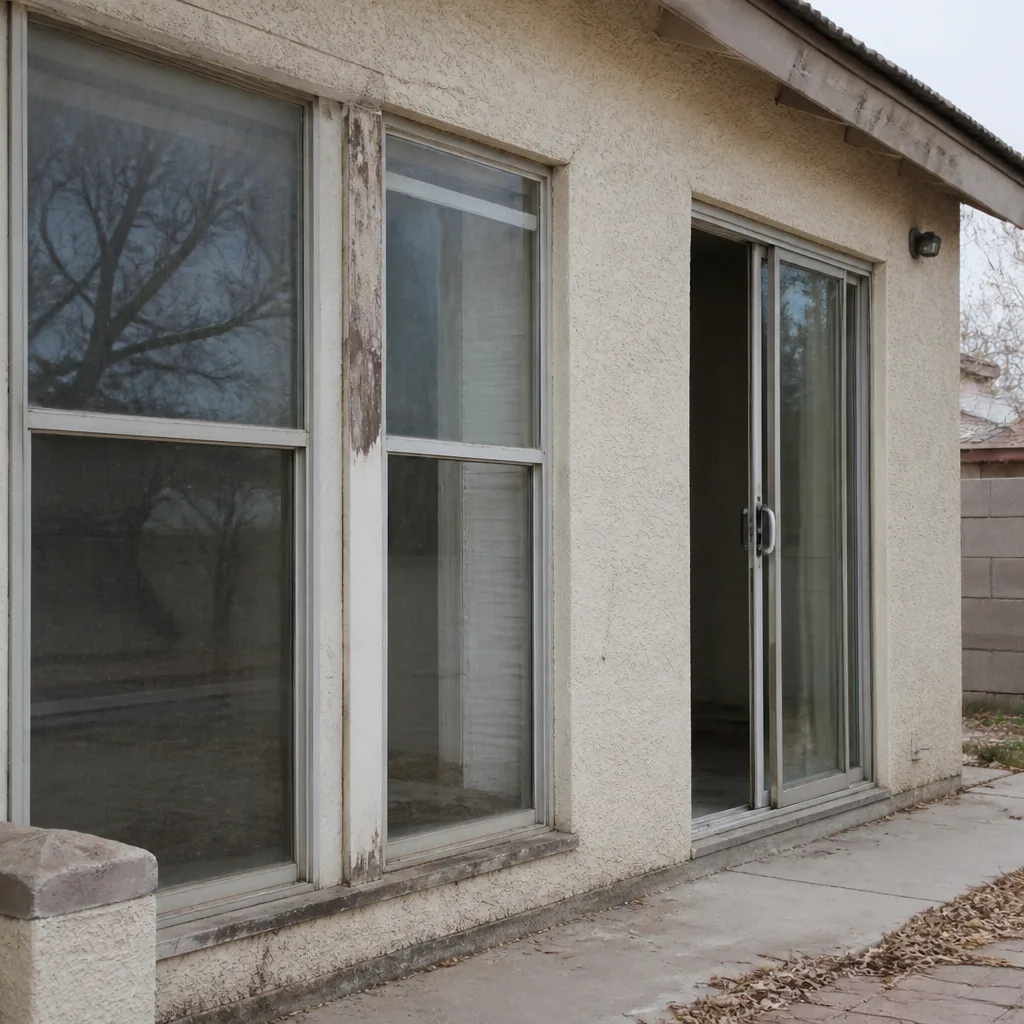 Before
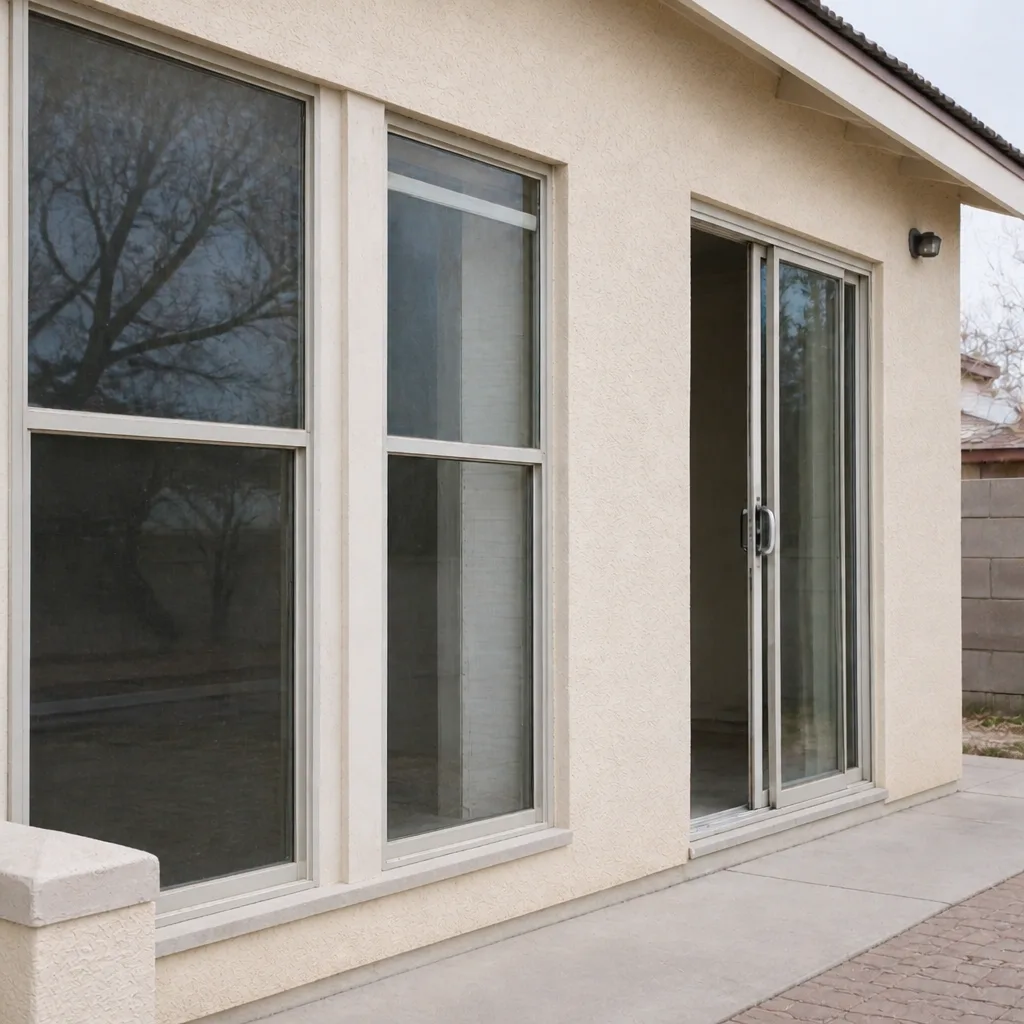 After
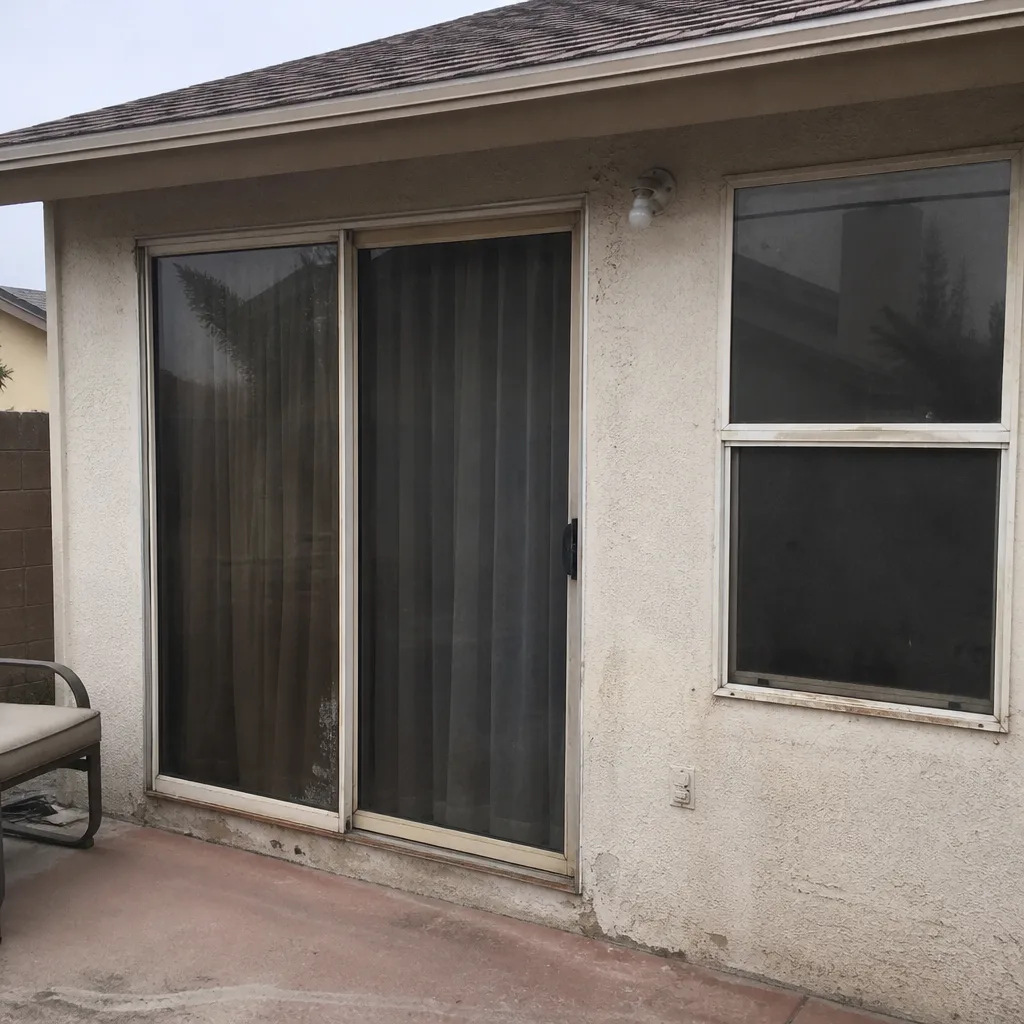 Before
 After
 Before
 After