
Last updated November 18, 2026
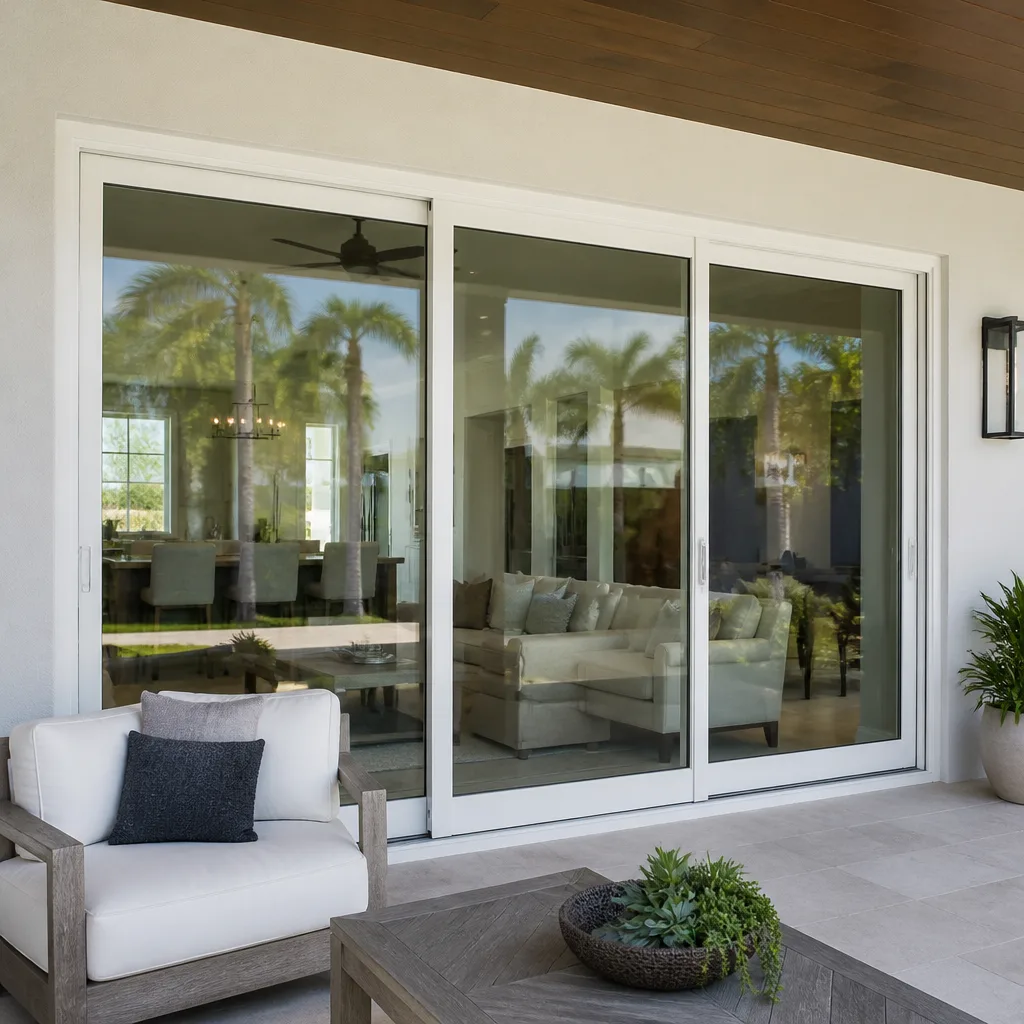
 Sliding glass doors
 Single hung
 Double hung
 Horizontal roller
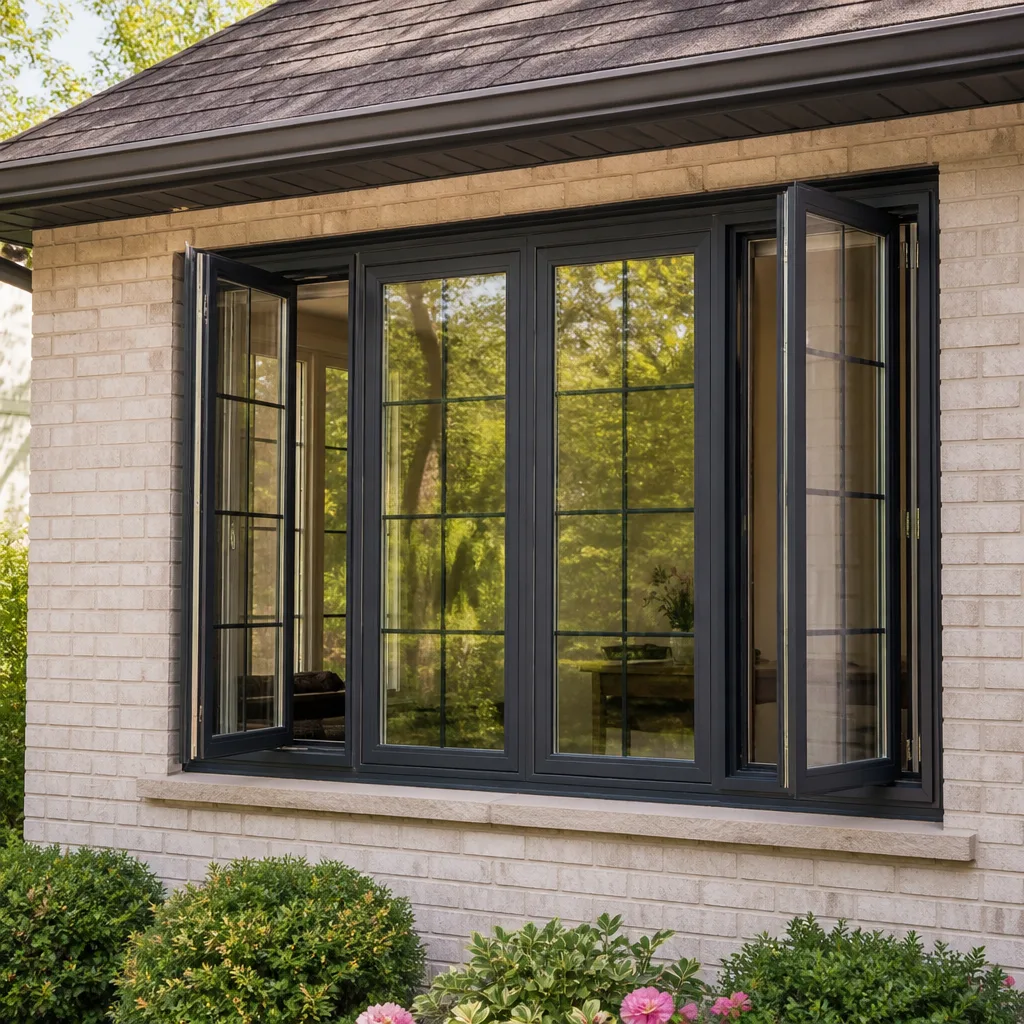 Casement
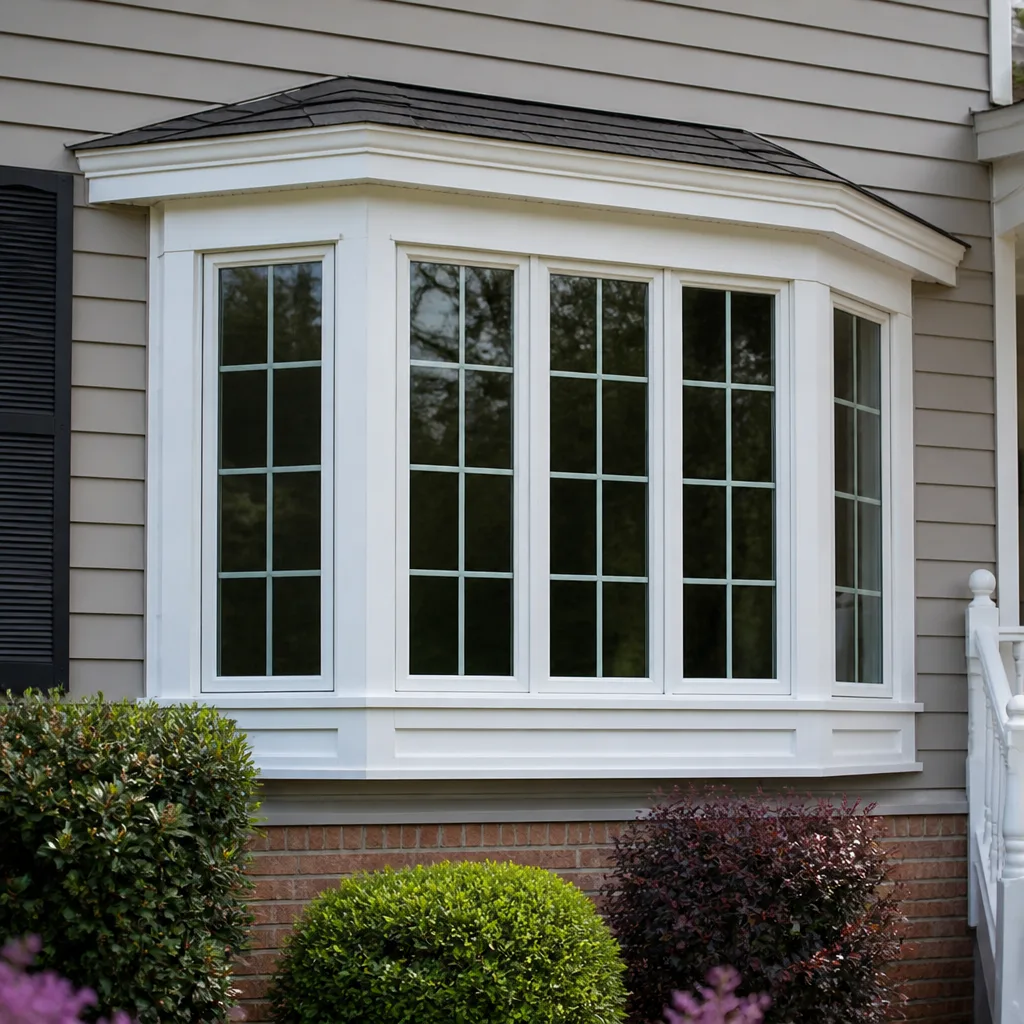 Bay & bow
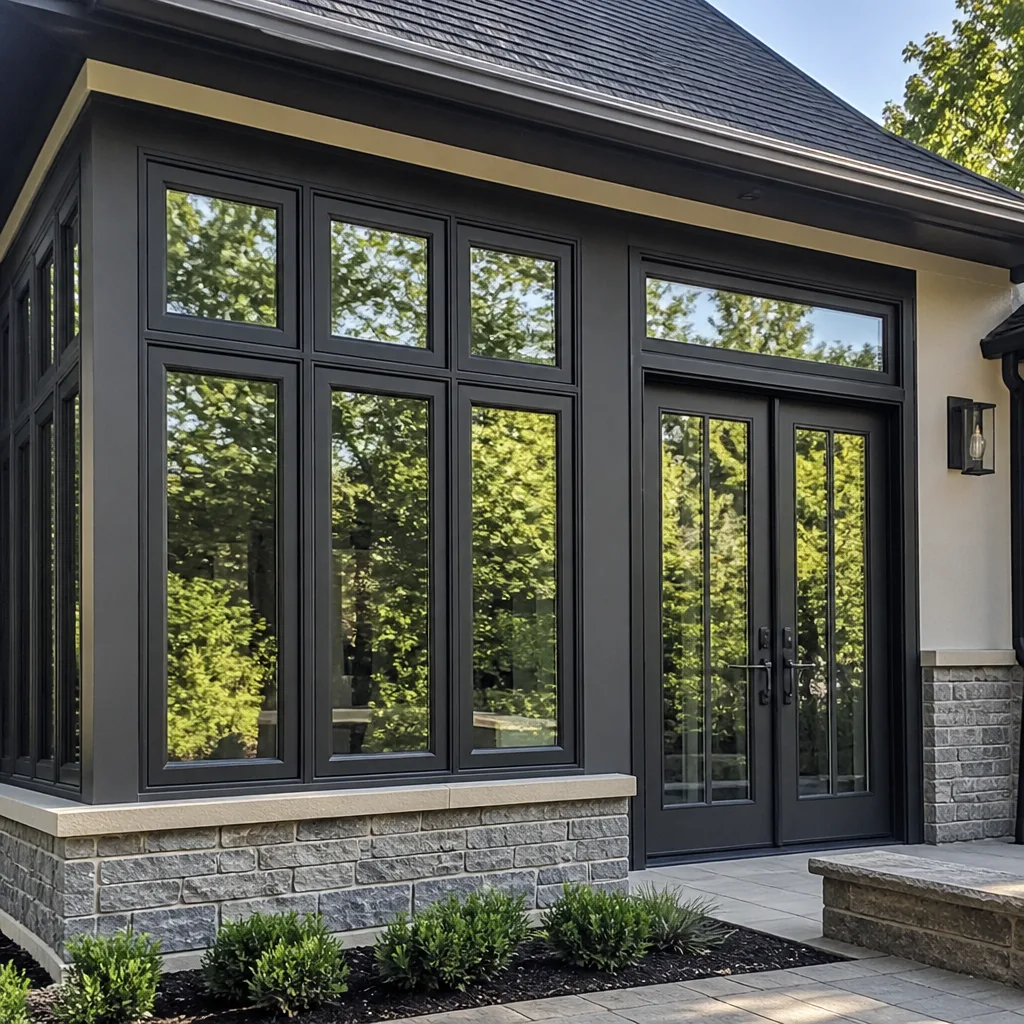
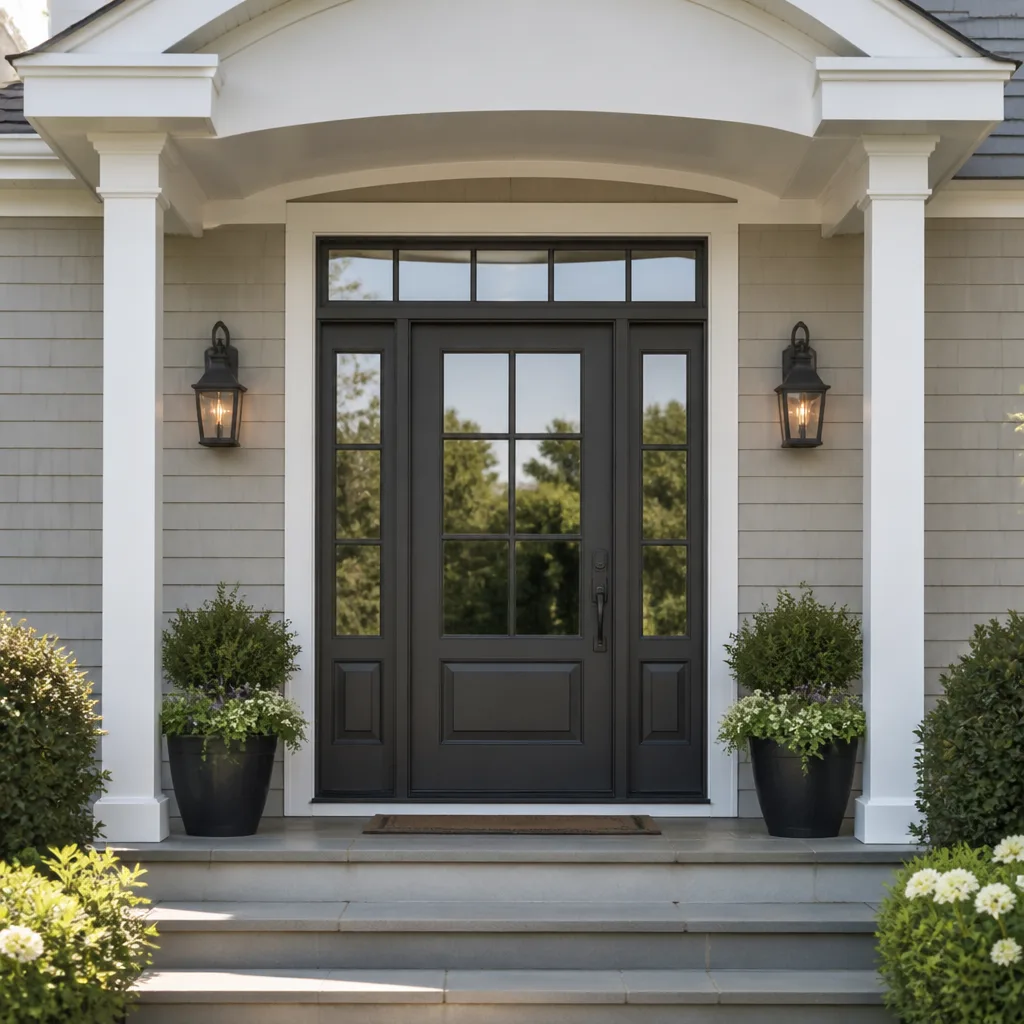 Entry doors
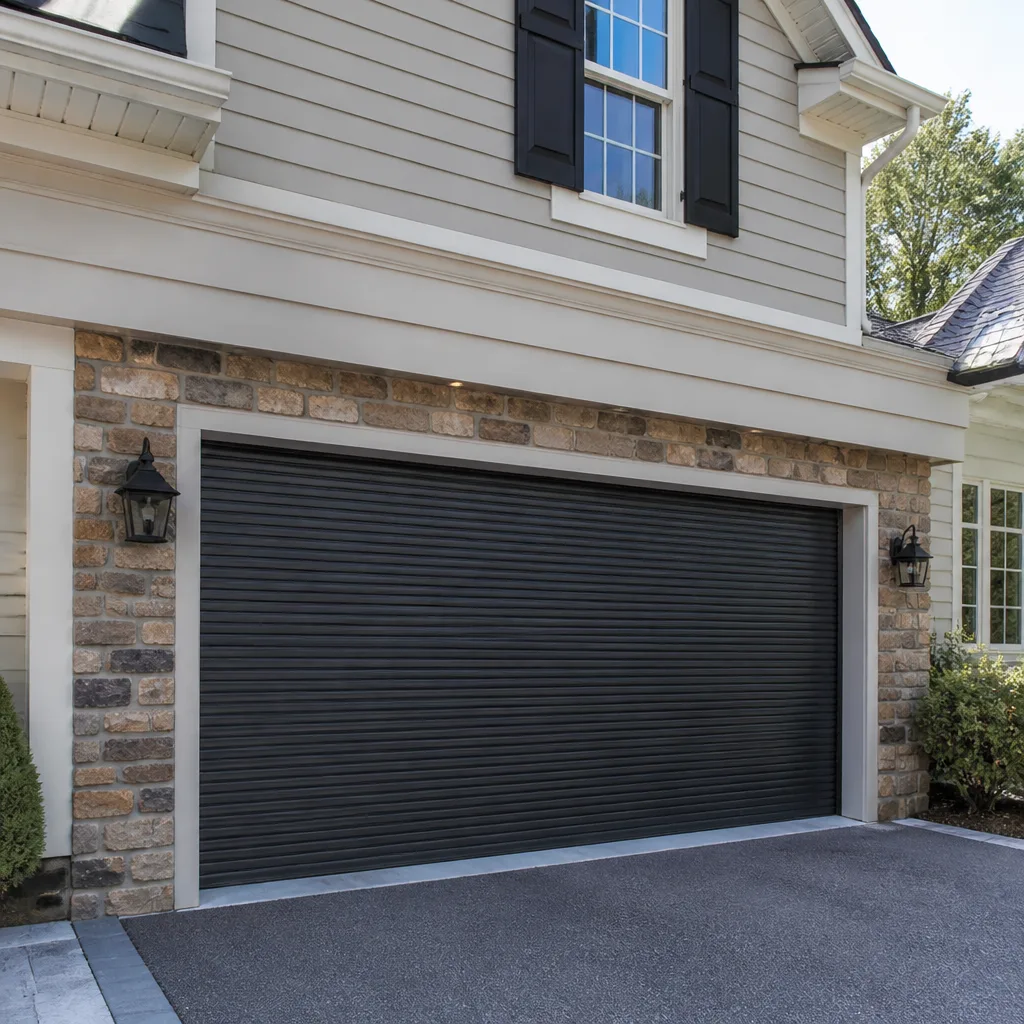
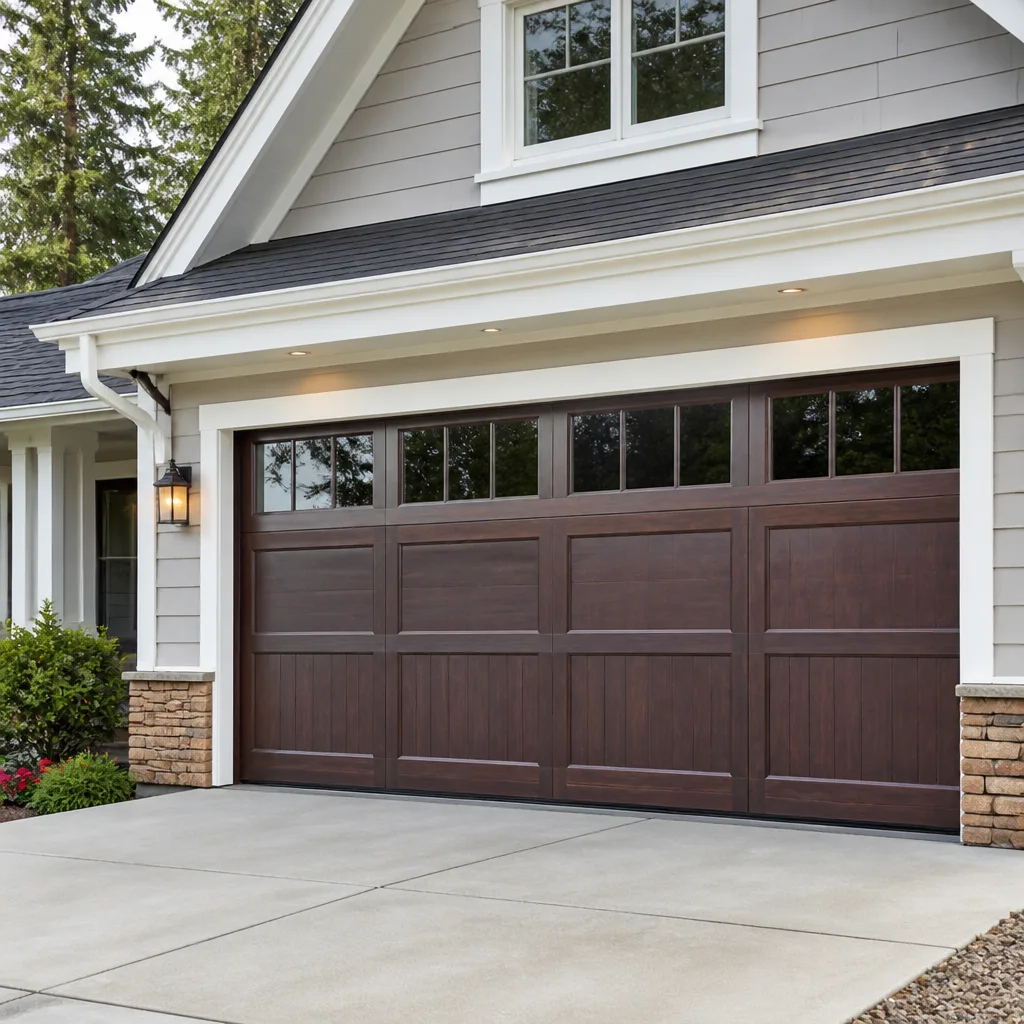 Impact garage doors
 PGT
 CGI
Free in-home measure and quote - PGT, CGI and CWS impact lines compared on your actual openings, style by style
Get your free estimateThe Complete Guide to Windows & Doors in North Las Vegas
The Mojave averages 300 sun-days a year. North Las Vegas stacks something harder on top of that: spring and summer dust events that score vinyl frames and pit glass edges, plus clay-heavy soil that moves with every wet season. Most homeowners don’t find out what that combination does to a window until year four or five, when the seals fail and the warranty clock has already run. This guide covers what fails first in North Las Vegas, how to read a quote, how to check both warranty layers, and what a square deal actually looks like when the work is done right.
Styles & brands we work with
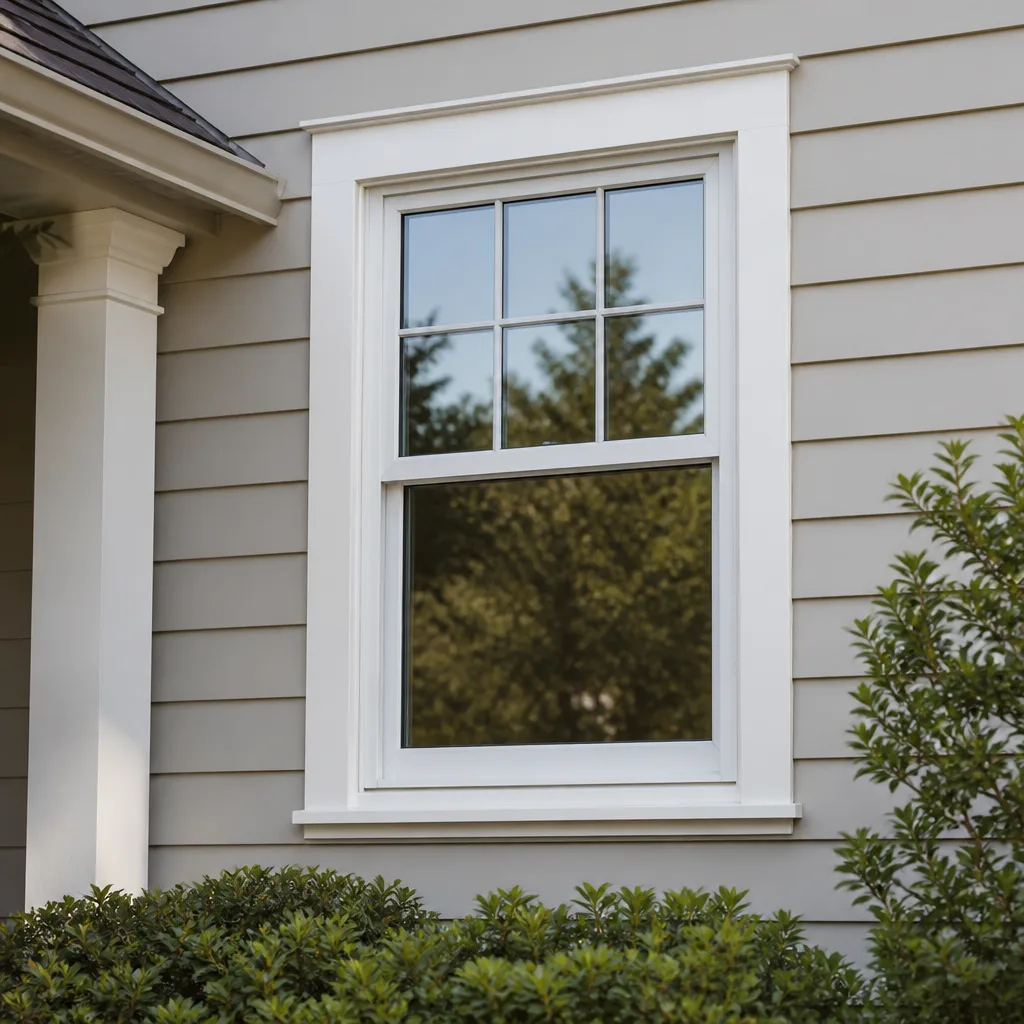
- Single hung
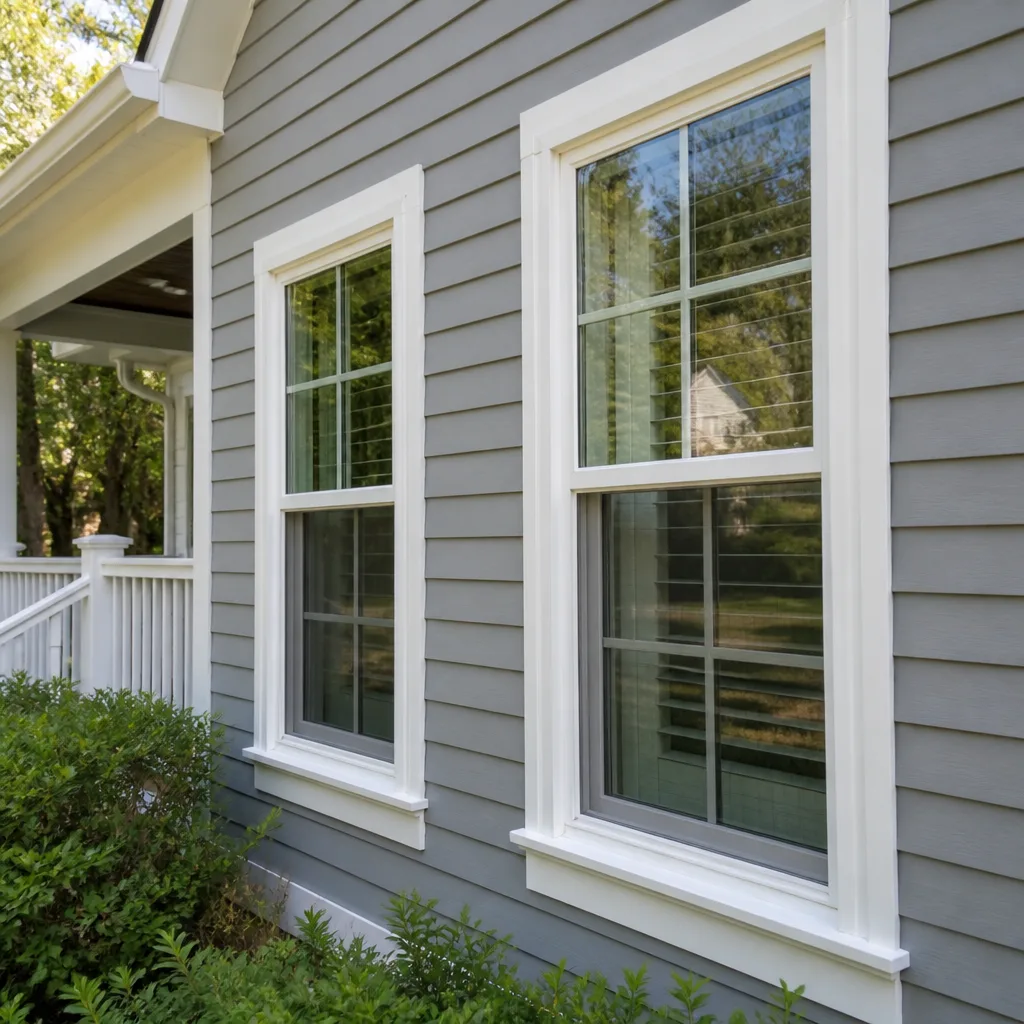
- Double hung
- Horizontal roller
- Casement
- Bay & bow
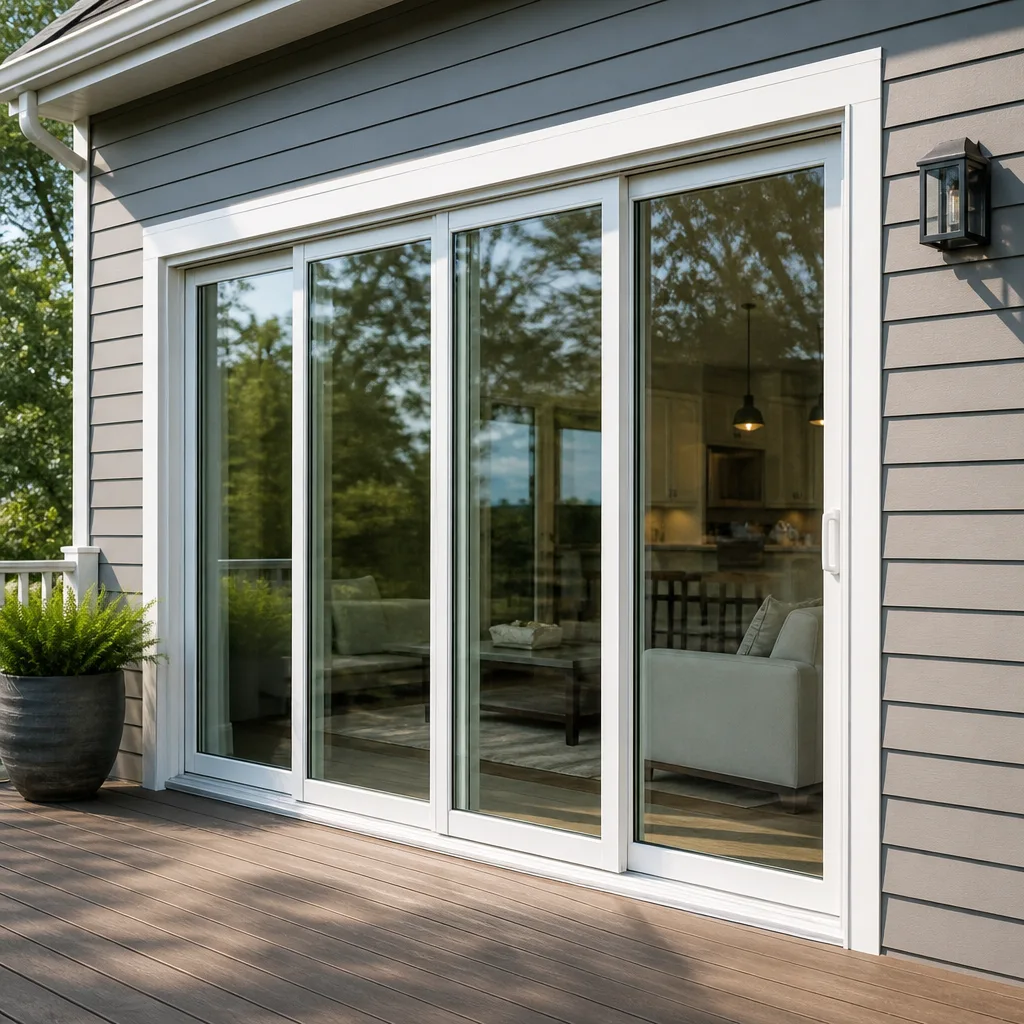
- Sliding glass doors
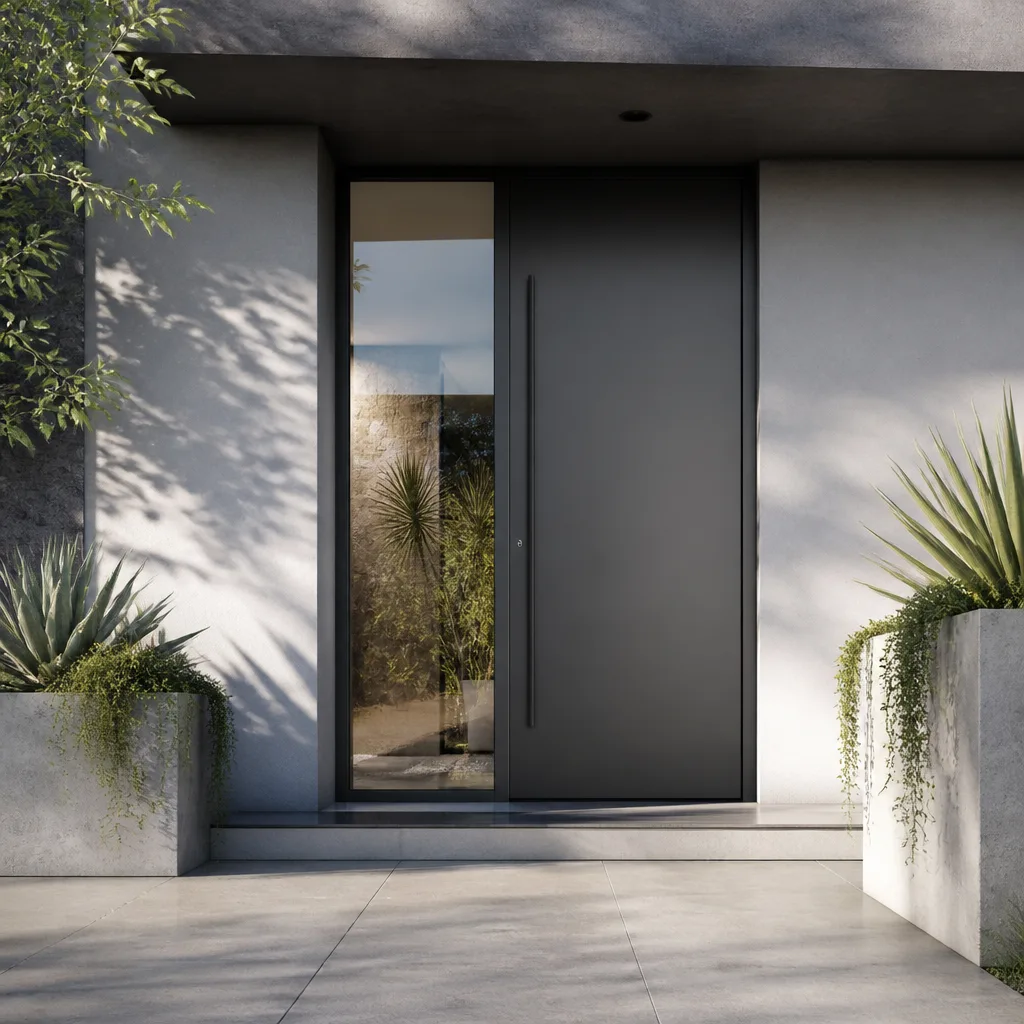
- Entry doors
- Impact garage doors
- PGT
- CGI
Quick Answer
Windows and doors in North Las Vegas fail faster than in most U.S. markets because alkaline soil shifts the frame and particulate dust wears the seals, and the fix is choosing replacement-grade units cut with the right rough-opening allowance for that soil. Get the installation detail and the two warranty registrations right, and a replacement set should hold square and clear for decades instead of years. Get them wrong, and the same unit will fog, bind, or rack within about 18 months.
Table of Contents
- Why North Las Vegas Windows and Doors Fail Differently
- How Soil Movement Racks Frames Out of Square
- Low-E Coatings by Exposure in North Las Vegas
- Builder-Grade vs. Replacement-Grade in NLV Tract Housing
- Door Threshold Materials for NLV’s UV and Caliche Dust
- How to Read a Warranty Registration Confirmation
- How to Compare a Window and Door Quote Side by Side
- Common Mistakes to Avoid
- When to Call a Professional
- Frequently Asked Questions
Why Windows and Doors Fail Differently in North Las Vegas
North Las Vegas is not interchangeable with the broader Las Vegas Valley, even though buying guides tend to treat the whole region as one climate. Three site conditions set it apart. First, the soil. A lot of the newer development on the north and northeast side sits on expansive clay that swells when it takes on water and shrinks hard in the dry months. Second, the particulate load: afternoon wind events off the open desert throw fine dust and caliche grit against exterior surfaces, and that grit works at weatherstripping, glazing beads, and frame corners the way sandpaper works at a finish. Third, the tract construction norms of the 1990s through the 2010s, when builders on a schedule set some of these neighborhoods with tight rough openings and builder-grade units meant to clear escrow, not to last 30 years.
Put those three together and you get failure patterns that a generic “signs it’s time to replace your windows” checklist will miss. In communities like Aliante and the older parts of the north valley, we regularly see spring failures and binding sashes traced to soil movement, not to the glass or the frame material. Along Centennial Parkway and the newer north-side corridors, dust scoring shows up first on the windward face of the frame, and it shows up on the seal, not the glass.
That’s why the unit itself matters less than the way it’s set. A perfect factory window forced into an out-of-square opening will fail. A replacement-grade unit specified for the exposure and allowed for in the rough opening will hold. The rest of this guide walks through each variable so you can tell a real quote from a fast one.
How Soil Movement Racks Frames Out of Square
Alkaline, clay-heavy soil is the single biggest reason a North Las Vegas window that looked perfect at the install goes bad inside two years. Clay does not stay put. It expands when it takes on moisture and shrinks when it dries, and that cycle stresses the wall around every opening. If the rough opening is cut exactly to the unit’s nominal size with no allowance, the frame has nowhere to give. The wall moves, the frame doesn’t, and the sash racks out of plumb.
Racking is easy to recognize once you know what to look for:
- A sash that rubs or drags at one corner in summer and clears in winter, or the reverse.
- Visible gaps at the top or bottom of the frame that open and close with the seasons.
- Weatherstripping worn on one side only, telling you the whole assembly is leaning.
- Doors that catch at the latch or the strike plate when the temperature swings.
The fix starts before the new unit arrives. A crew that knows North Las Vegas soil cuts the rough opening with an allowance sized to the frame material and the exposure, shims the unit to sit in plane, and fastens so the frame can move with the wall instead of fighting it. In our experience, that single detail is the difference between a replacement that lasts and one that binds by the second July. If a contractor can’t explain how they’ll handle soil movement at your address, that’s a sign the quote is a copy-and-paste. Measuring every opening twice, then quoting the line side by side on paper, is the standard we hold to on window installation in North Las Vegas.
Low-E Coatings: South-Facing vs. West-Facing in North Las Vegas
Low-E coating is not one product. The right specification depends on which way the glass points, and in North Las Vegas that distinction is not academic. South-facing glass in this climate takes strong, steady sun and drives heating load in the summer. West-facing glass takes the late-day sun, which is often the worst combination of intensity and duration on the grid streets of the older north valley.
Here’s how the specification differs:
- South-facing glass usually wants a low solar heat gain coefficient to cut summer heat, but not so low that the room goes dark in winter. A moderate SHGC lets winter sun in and blocks the summer peak.
- West-facing glass generally wants a stronger solar-control coating and a lower SHGC, because late-day sun on a west wall is unforgiving in July and August.
- North and shaded elevations can carry a lower-performance coating than the sunny sides, which keeps the total budget honest instead of over-specifying glass you don’t need.
Two numbers on the label tell the story: SHGC (how much solar heat gets through) and visible transmittance (how much light you keep). Manufacturer lines like PGT and CGI publish different coating families for the Southwest, and a quote that doesn’t name the coating by elevation is a quote you can’t compare. On the grid streets, we ask which walls take the afternoon sun before we spec anything, because the same window on a south wall and a west wall of the same house are two different products.
Builder-Grade vs. Replacement-Grade in North Las Vegas Tract Housing
Neighborhoods built in North Las Vegas between roughly 1990 and 2010 share a common story. The builder set thousands of units on a schedule, and the windows were chosen to meet code and clear inspection, not to last 30 years. Builder-grade units are thinner-walled, use fewer panes in the frame, and sometimes carry a shorter manufacturer warranty than the replacement line. When those units reach the 20-to-30-year mark in this climate, the seals fail, the frames chalk, and the homeowner is told they need new windows and only new windows.
Replacement-grade means a different thing. It’s a heavier frame profile, better weatherstripping and glazing, and a warranty written for a longer service life. It also means the unit is cut and set for the actual opening rather than dropped into whatever the builder left.
- Check the existing unit. A builder-grade window often has a thinner frame, a lighter sash, and a label that names a line you can look up.
- Ask what’s being replaced. A “replacement” that reuses the builder frame is a repair, not a replacement.
- Ask for the warranty duration in writing. Replacement lines typically state the frame and glass coverage separately; builder lines often don’t.
- Ask how the rough opening will be handled. This is where builder tract housing on clay soil bites.
Whether you’re replacing one bad unit or the whole house, the same rule applies on window replacement in North Las Vegas: get the line named, the duration stated, and the set detailed before anyone signs.
Door Threshold Materials for NLV’s UV and Blowing Caliche Dust
Door thresholds take everything North Las Vegas throws at a house. The sun cooks the top of the door and the threshold sill all day. The dust events push caliche grit into every gap. And the ground around the door moves with the clay. A threshold choice that works in a mild climate can fail here in two summers.
Material matters in a specific way:
- Aluminum thresholds with a thermal break handle UV well and won’t swell or warp, which is why they’re common on sliding and patio doors here.
- Vinyl or composite sill caps can work on an entry door, but the cheaper ones chalk and crack under the UV load; check the manufacturer rates it for desert exposure.
- Wood thresholds fail fast in this climate unless they’re protected and re-sealed on a schedule the homeowner actually keeps. Blowing dust grinds the finish off a wood sill.
The other half of the job is the seal. An adjustable, compressible threshold with a proper sweep is what keeps caliche dust out of the house. On sliding and patio doors, look for a threshold that drains and a track that clears grit rather than trapping it. When we install a door in North Las Vegas, the threshold and sweep are specified for this climate, not pulled from a generic kit. A door that lets the dust in is a door that isn’t finished, no matter how good it looks.
How to Read a Warranty Registration Confirmation
Most window and door warranties fail not because the manufacturer refused to honor them, but because nobody registered them. There are two layers every job should have: the manufacturer’s warranty on the unit, and the installer’s workmanship warranty on the labor. Both need to be on file in writing before the crew leaves, with the duration stated. If you can’t read a confirmation, you don’t have a warranty.
Here is what a real confirmation shows:
- The manufacturer’s name and the exact product line installed. Not “windows,” the line.
- The registration confirmation number or reference for the unit warranty, with the coverage duration stated.
- The installer’s workmanship warranty, separately written, with its duration and what it covers.
- The date of registration and the property address, so there’s no dispute later about which job it belongs to.
- A copy left with the homeowner, not just filed by the crew.
The Keystone Standard is how we run this: both manufacturer warranty layers registered in writing, durations stated, before the truck leaves the driveway. The 90-Day Done Right Promise sits on top of that, so if something isn’t right, we make it right without a paperwork fight. Ask any contractor for the confirmation on the day of install. A company that plans to be in town in 30 years has no trouble producing it; one that doesn’t will have an excuse.
How to Compare a Window and Door Quote Side by Side
A quote is only useful if you can compare it. The failure mode in North Las Vegas is a one-line number: “12 windows, $X.” That tells you nothing about the product line, the glass coating, or the labor, and it’s the reason two bids that look close can be thousands apart once the specs are laid side by side. We’re an authorized installer for more than a dozen manufacturer lines, including Andersen, Milgard, and ViewLux, and the way we do it is to quote the manufacturer lines side by side on paper so the homeowner sees exactly what they’re buying.
Before you sign anything, get these on the page:
- Product line and frame material named for each opening, with the coating specified by elevation.
- Glass package and SHGC for the sunny versus shaded walls.
- Rough-opening allowance and the shimming and fastening method for your soil.
- Threshold and sweep spec on every door.
- Permits named, if your job requires them, with the inspection step described.
- Both warranty layers, with durations, in writing.
If a bid can’t show you those, it’s not a square deal, it’s a number. Most jobs we handle are completed in a single visit, with no surprise line items on the bill and no second appointment left hanging. Start from the TruePane Windows & Doors North Las Vegas home page if you want to see the full scope of what we install and service, then call (833) 734-5506 and ask for the quote on paper.
Common Mistakes to Avoid
- Cutting the rough opening to the nominal size. On North Las Vegas clay, a tight opening gives the frame nowhere to move, and the sash racks within about 18 months. Build in the allowance and shim the unit to sit in plane.
- Specifying one coating for the whole house. The sun on a west wall in July is not the sun on a shaded north wall. One coating for every opening either overheats the sunny rooms or darkens the shaded ones.
- Treating “replacement” as a synonym for “new window.” If the builder frame stays and only the sash changes, the soil-movement problem stays too. Know what’s actually being replaced.
- Accepting a one-line quote. A number without the product line, the coating, the threshold spec, and the warranty durations is not comparable to anything. You’ll pay for the guesswork later.
- Letting the crew leave without the warranty confirmations. If you can’t read a confirmation for both layers before the truck pulls away, the clock may already be running against you. Get it in hand.
- Skipping the threshold and sweep on doors. In the dust events North Las Vegas gets, an unprotected sill grinds down fast and lets grit into the house. Specify the threshold and the sweep together.
- Assuming newer tract housing means newer, better windows. Units set on a build schedule were meant to clear inspection. Twenty years later, the seals and the frames tell the truth.
When to Call a Professional
Some jobs are a homeowner’s to handle, and some aren’t. Call a professional when a sash binds or racks with the seasons, which points to a frame problem, not a glass problem; when you see fogging between the panes, meaning the seal has failed; when condensation shows up on the inside of the glass, meaning the unit has broken down; when a door won’t latch or drags on the threshold in the heat; or when you’re looking at a whole-house replacement and need the rough openings and soil dealt with properly. Windows and exterior doors are part of the building envelope, and a mistake here lets in heat, dust, and moisture for years. TruePane Windows & Doors North Las Vegas offers free estimates in North Las Vegas. Call (833) 734-5506 and we’ll measure every opening twice and put the quote on paper.
Frequently Asked Questions
Replacement-grade windows set correctly should last decades in North Las Vegas, while builder-grade units in the 1990s-2010s tract stock often show seal failure and frame deterioration by the 20-to-30-year mark. The soil and the dust drive the timeline more than the glass does. When rough openings are cut with the right allowance, the frame holds longer. When they aren’t, 18 months is enough to see racking. Call (833) 734-5506 for a free estimate on your openings.
Fogging between the panes means the sealed glass unit has lost its seal and moisture has gotten in, and in this climate that’s usually a failure of the unit itself, not the frame. Once the seal is gone, no cleaning fixes it; the unit needs replacing. If the frame is still square, that can be a repair rather than a full window replacement. Call (833) 734-5506 for an exact quote – estimates are free.
Whether a window or door replacement needs a permit depends on the scope of the job, and it varies with the structure and the work involved. Like-for-like replacement often differs from work that changes the opening or the framing. Ask your contractor to name the permit and inspection step up front, in writing. We’ll walk through what your job requires during the free estimate. Call (833) 734-5506 to schedule.
A west-facing window in North Las Vegas generally wants a stronger solar-control coating with a lower solar heat gain coefficient to handle the late-day sun, while a south-facing window can use a moderate coating that still lets some winter sun in. The right number depends on the wall, the room, and the glass package. Getting the elevation right is part of every quote we write. Call (833) 734-5506 for a side-by-side comparison.
Doors stick in the summer when the frame or the threshold moves with the clay soil and the heat, which is common in North Las Vegas, or when the sweep and threshold are wrong for the dust load. Sometimes it’s a simple adjustment; sometimes it’s a sign the opening needs to be dealt with properly. A square set with the right threshold fixes it. Call (833) 734-5506 for a free estimate.
You know both layers are registered when you have the manufacturer’s confirmation number and the installer’s workmanship warranty, each with its duration stated, in writing before the crew leaves your property. If you can’t read it, don’t assume it’s on file. The Keystone Standard means both layers are registered and left with you on install day. Call (833) 734-5506 and ask us to walk you through the confirmation.
The Bottom Line
Windows and doors in North Las Vegas fail on a different schedule than in the rest of the country, and the guide is organized around that. Clay soil racks frames that aren’t set with the right rough-opening allowance. Dust events score seals and grind thresholds. Sun exposure makes low-E specs a per-elevation decision. Builder-grade units from the tract era need a real replacement-grade answer, with the product line named and both warranty layers registered in writing. Get those details right and a set of windows or doors holds for decades. Get them wrong and you’re back where you started. Call (833) 734-5506 today to schedule your free estimate with TruePane Windows & Doors North Las Vegas.
Written by the team at TruePane Windows & Doors North Las Vegas.
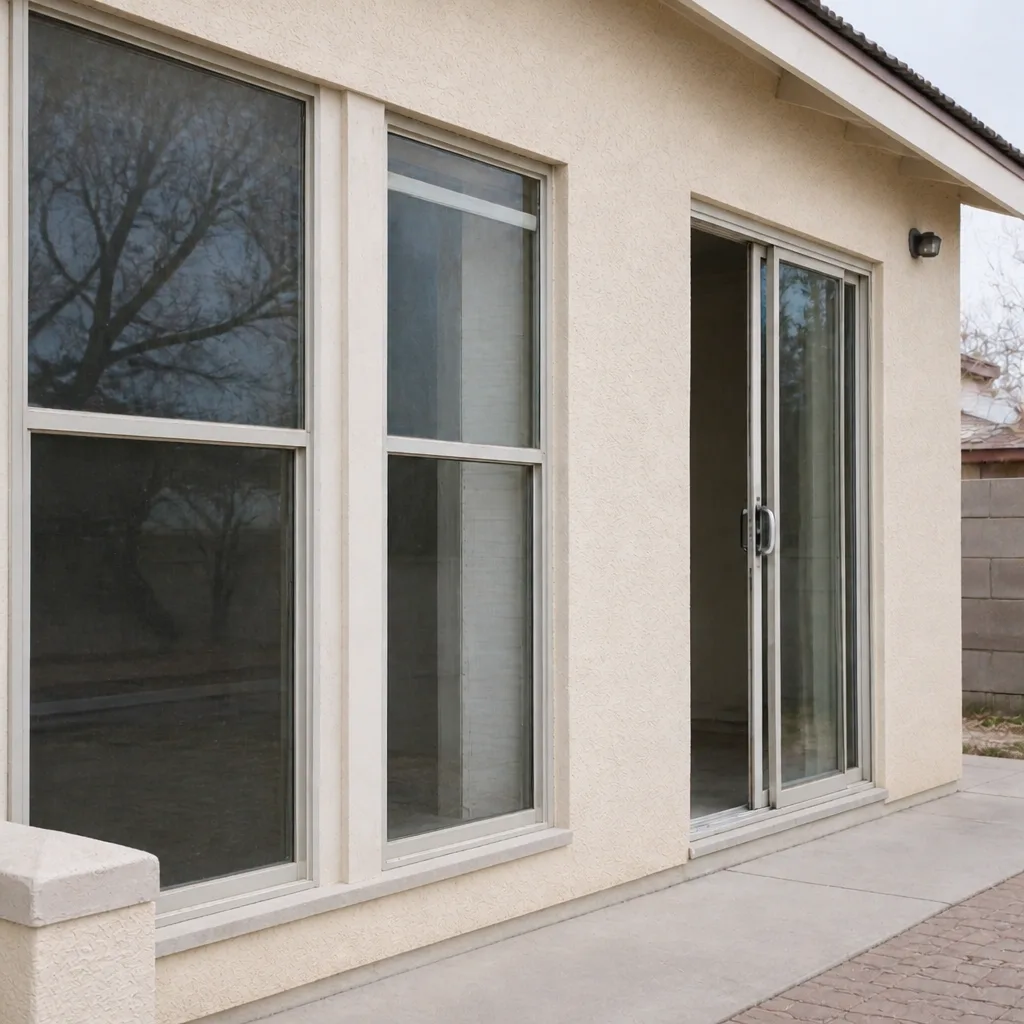
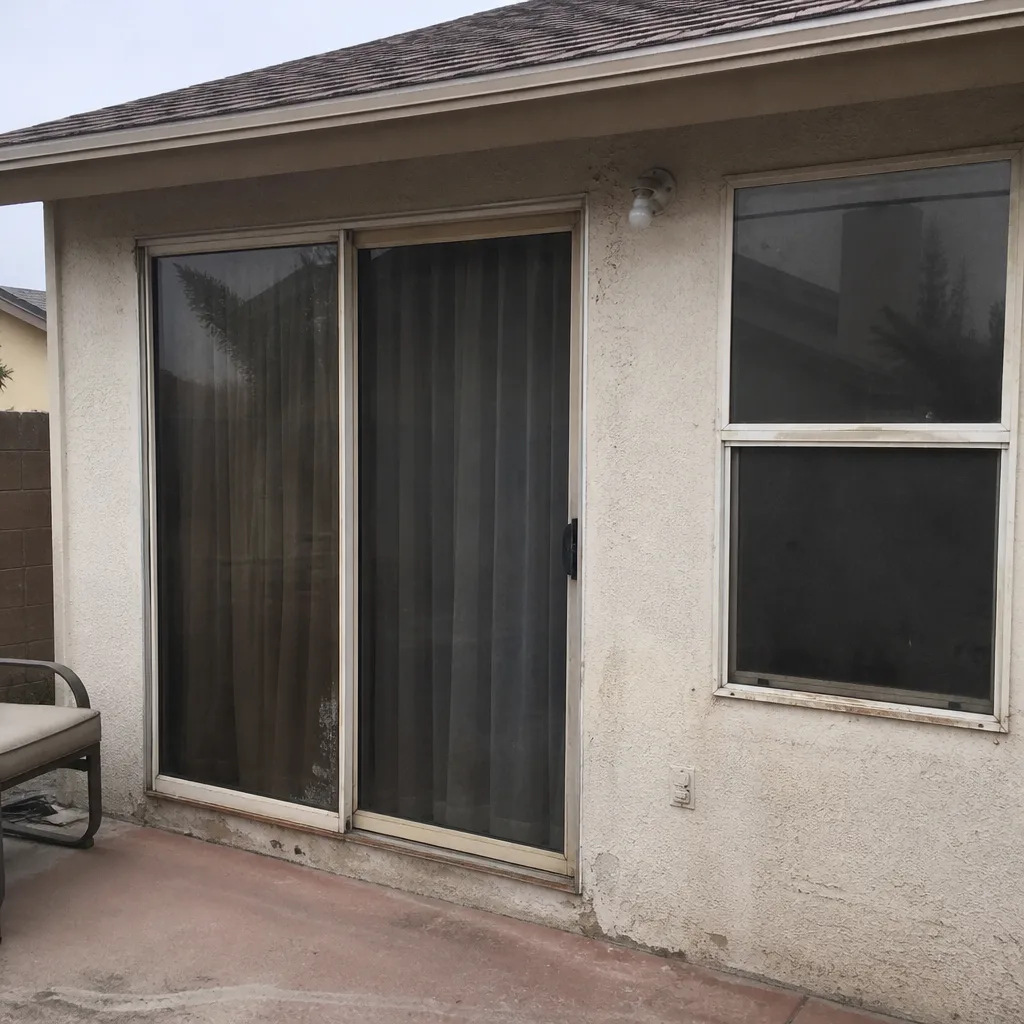
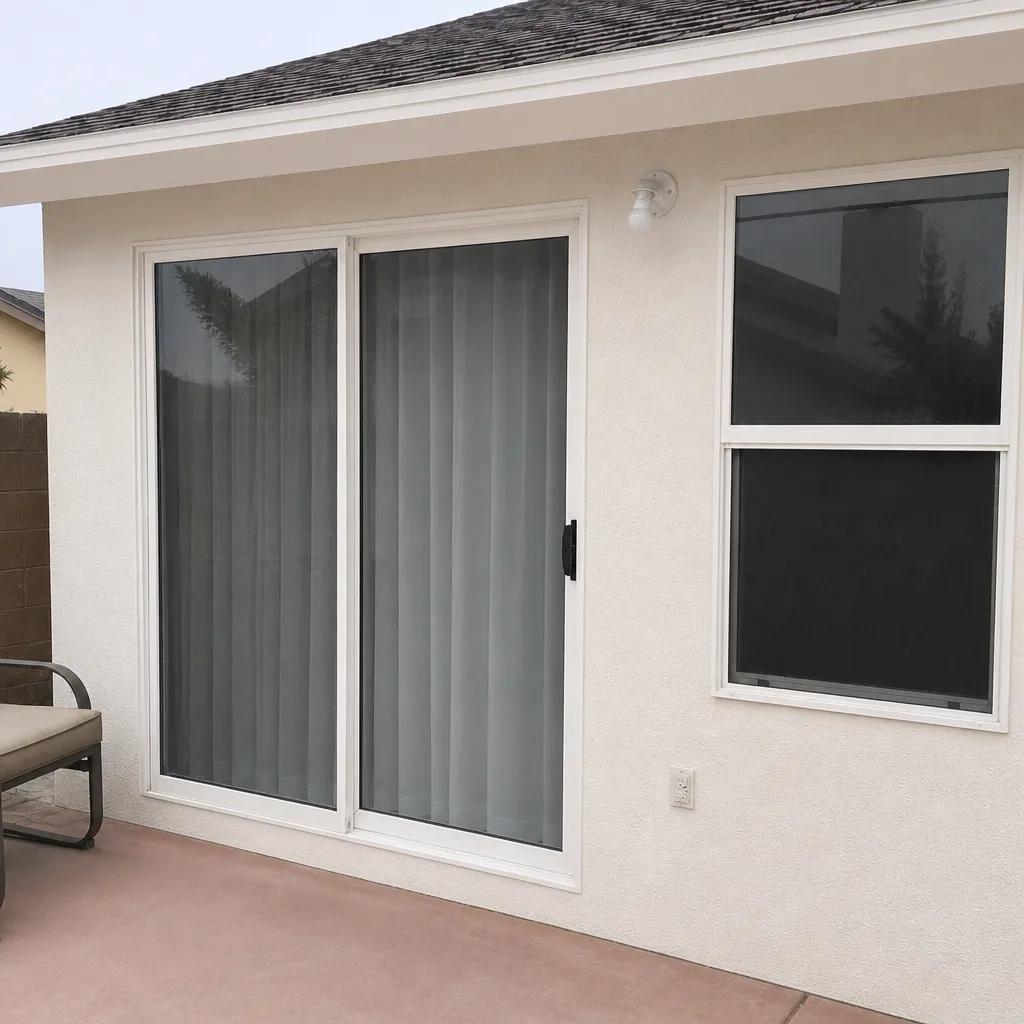
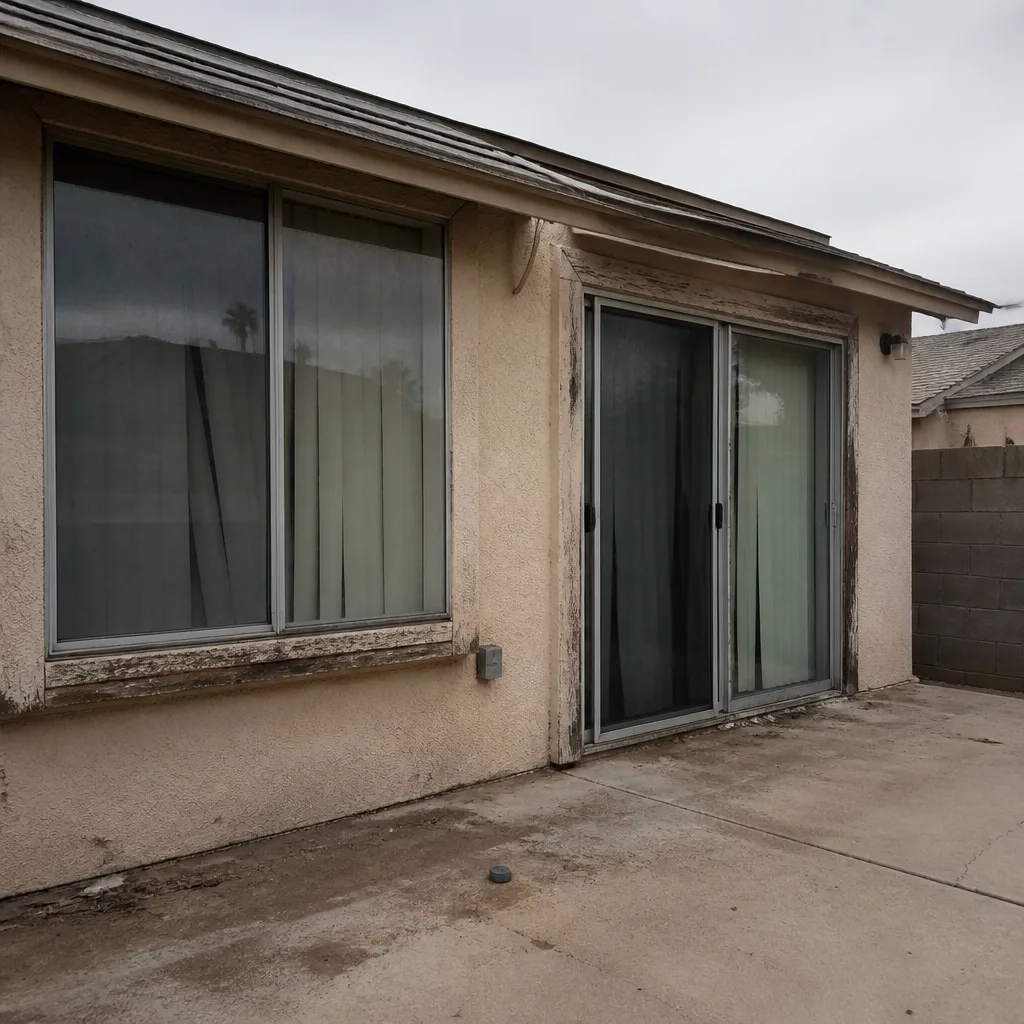
See the difference
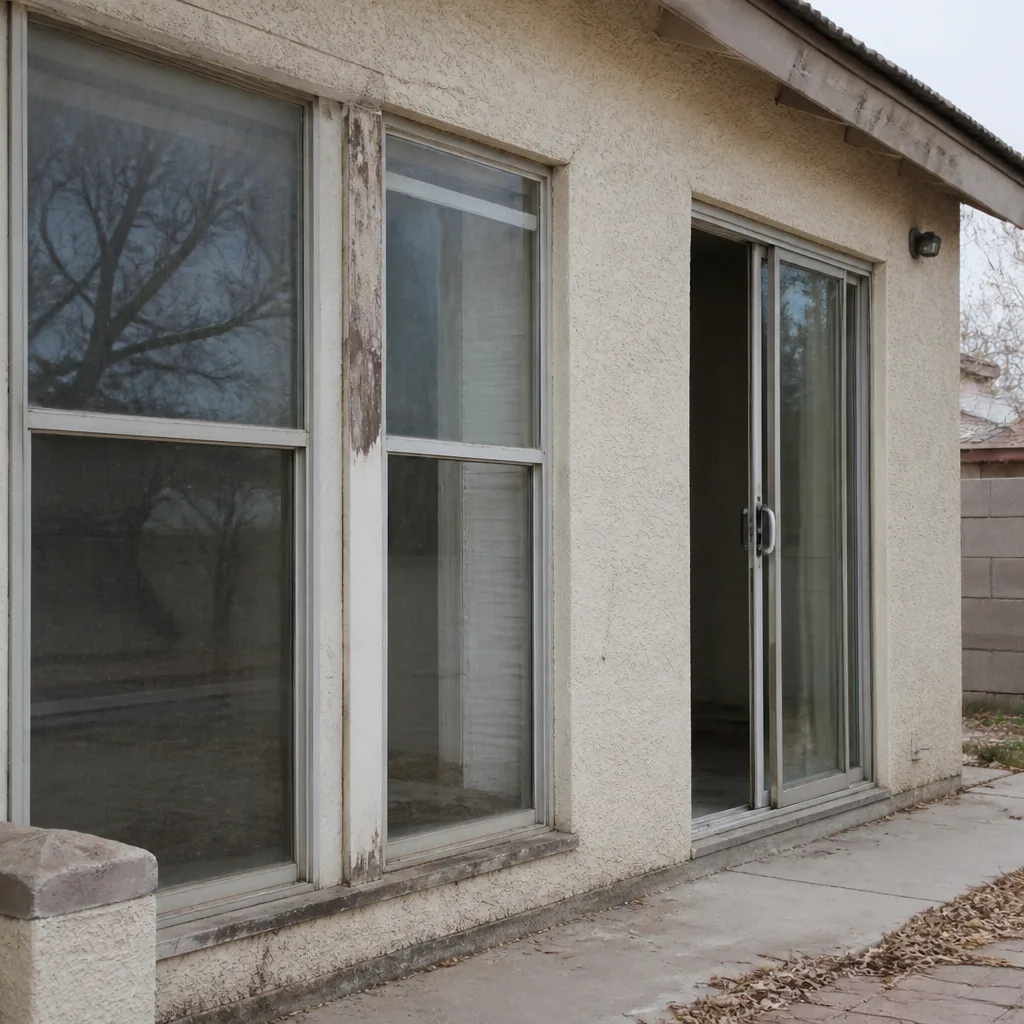 Before
 After
 Before
 After
 Before
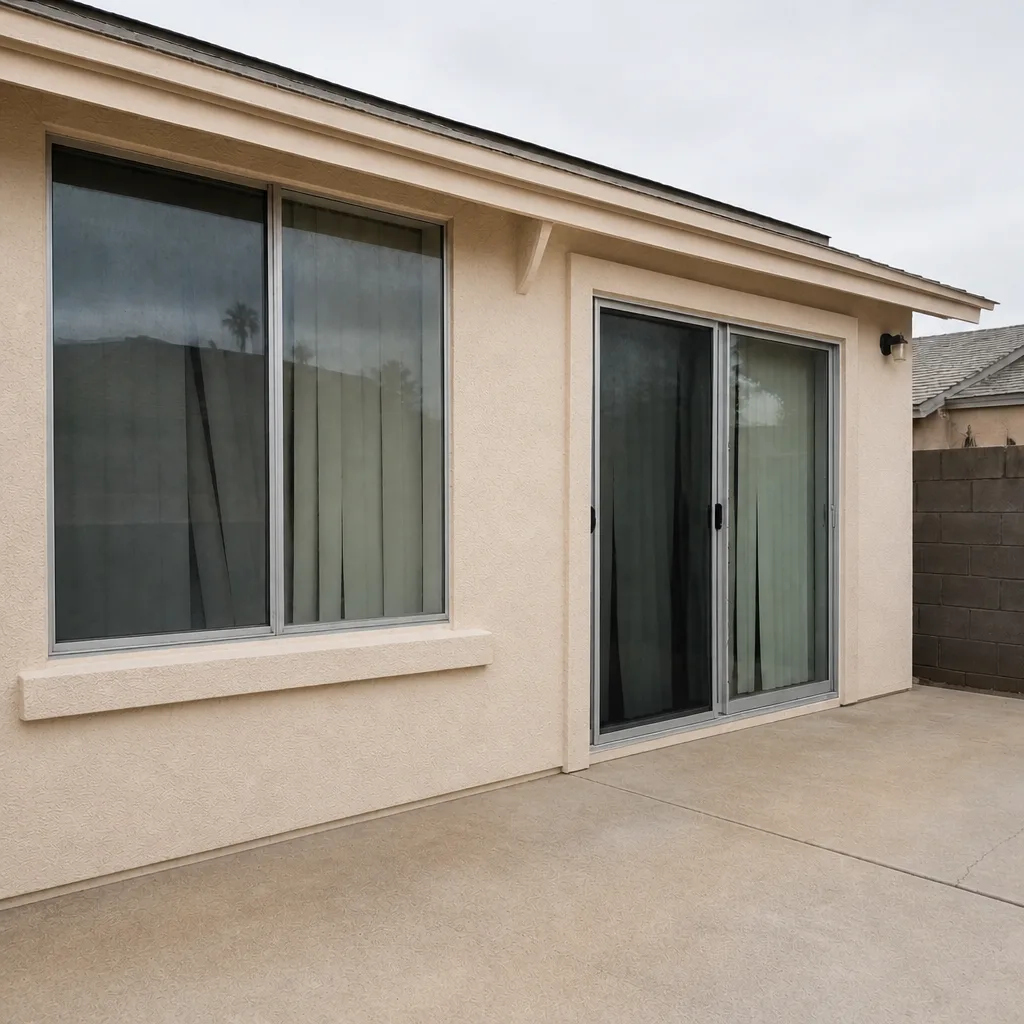 After